

Cliff Notes – World-first views of the Sun’s poles released
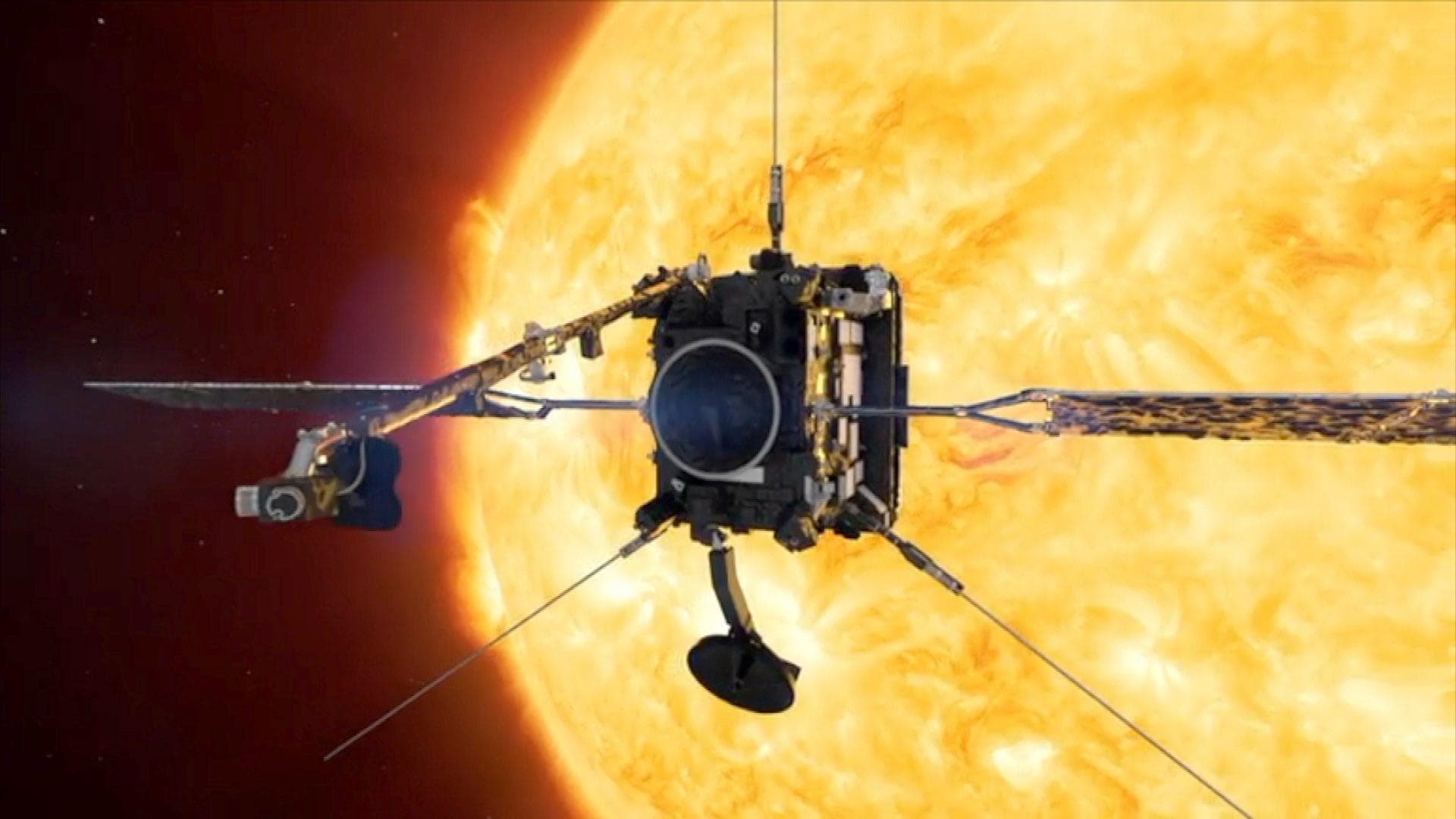
- The Solar Orbiter has provided humanity’s first images of the sun’s poles, marking a significant advancement in solar observation, unlike the previous Ulysses mission.
- With its unique tilted orbit, the Solar Orbiter can capture the sun from unprecedented angles, promising more detailed insights in future observations.
- As the sun approaches its “solar maximum,” the spacecraft will study heightened solar activity, continuing its mission until 2026, with a flyby of Venus planned for 2029.
World-first views of the Sun’s poles released – but scientists say best is yet to come | Science, Climate & Tech News
It is only the second craft to have passed over the sun’s poles – with the ESA and NASA’s 1990-2009 Ulysses craft lacking the capacity to take any photos.
“Today we reveal humankind’s first-ever views of the sun’s pole,” ESA’s director of science, Professor Carole Mundell, said.
Describing it as a “new era of solar science”, she added: “The sun is our nearest star, giver of life and potential disruptor of modern space and ground power systems, so it is imperative that we understand how it works and learn to predict its behaviour.”
‘Best is yet to come’
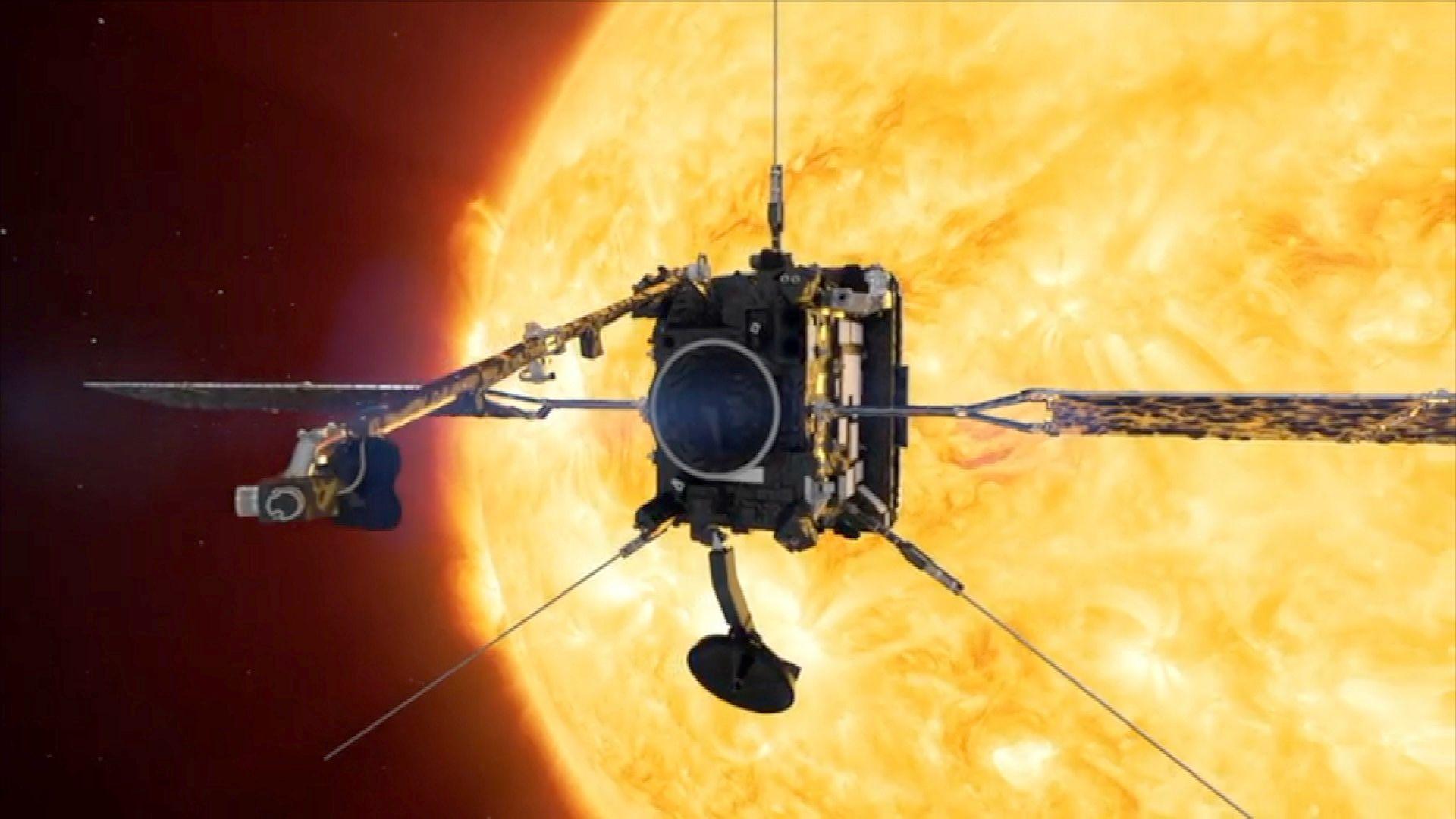
This is because Earth, the other planets, and all other operational spacecraft orbit the Sun within a flat disc around the Sun called the ecliptic plane.
However, by tilting its orbit out of this plane, Solar Orbiter has revealed the star from a whole new angle – and because the spacecraft is set to tilt even further “the best views are yet to come”.
The Solar Orbiter took off from Florida in 2020.

This is because its equator spins faster than its poles – every 26 days compared to every 33 days – meaning it does not rotate as a solid object, instead becoming so unstable it eventually flips.
The sun is currently at what is referred to as “solar maximum”, when the star is building up to the polar flip.
During this period, its spots and solar flares are most active.
In five or six years, the sun will reach its “solar minimum”, when its magnetic activity is at its lowest.
The spacecraft will continue its orbit around the sun until Christmas Eve 2026. Its next flight will see it fly past Venus in 2029.






















Great article! This really puts things into perspective. I appreciate the thorough research and balanced viewpoint.
Interesting read, though I think there are some points that could have been explored further. Would love to see a follow-up on this topic.
Thanks for sharing this! I had no idea about some of these details. Definitely bookmarking this for future reference.
Well written and informative. The examples provided really help illustrate the main points effectively.
This is exactly what I was looking for! Clear, concise, and very helpful. Keep up the excellent work!