

Get you up to speed:
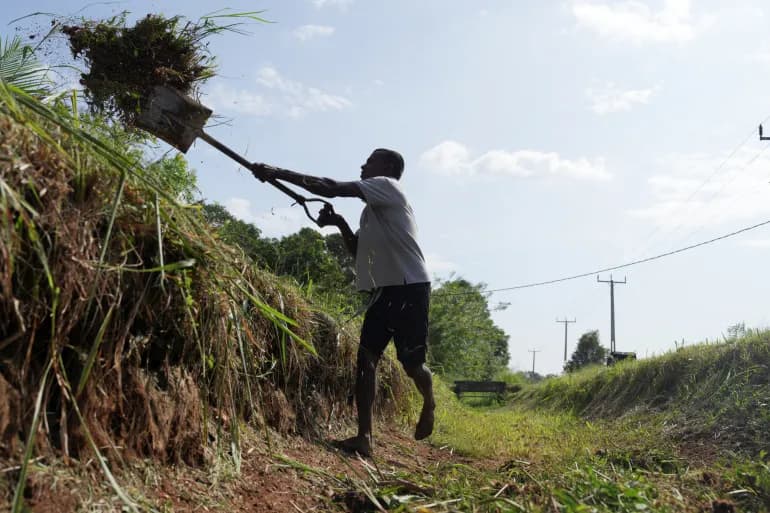
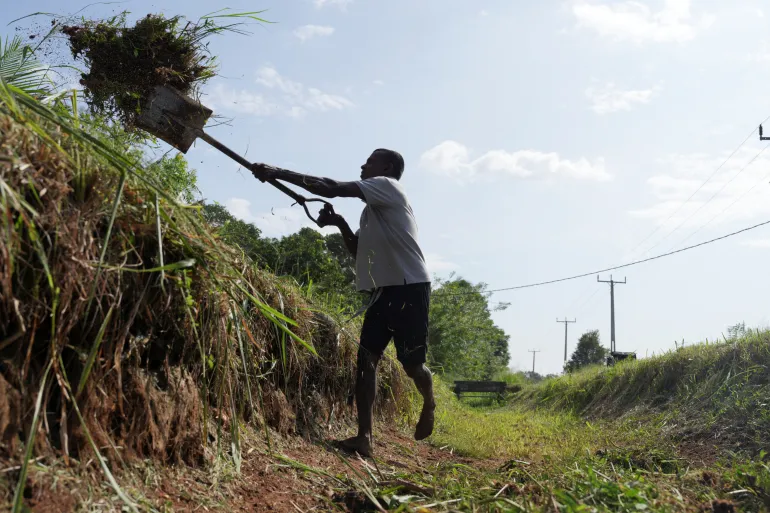
The United Nations has warned that the ongoing US-Israeli war on Iran will push more than 30 million people back into poverty. Disruption to fuel and fertiliser supplies through the Strait of Hormuz has already lowered agricultural productivity, impacting crop yields later this year.
The United Nations Development Programme (UNDP) chief, Alexander De Croo, stated that with food insecurity expected to peak in the coming months. The UN’s Food and Agriculture Organization (FAO) recently cautioned that continued disruptions in the Strait of Hormuz could result in a global food “catastrophe.”
The conflict, which has already begun to disrupt agricultural productivity. Additionally, significant countries at risk from these disruptions include India, Bangladesh, Sri Lanka, Somalia, Sudan, Tanzania, Kenya, and Egypt.
US-Israeli war on Iran will push 30 million back into poverty, UN warns
Disruption to fuel and fertiliser supplies due to the Strait of Hormuz closure will hit crop yields, UNDP chief warns.
The US-Israeli war will push more than 30 million people back into poverty, with the knock-on effects of the conflict likely to increase food insecurity in the coming months, the United Nations has warned.
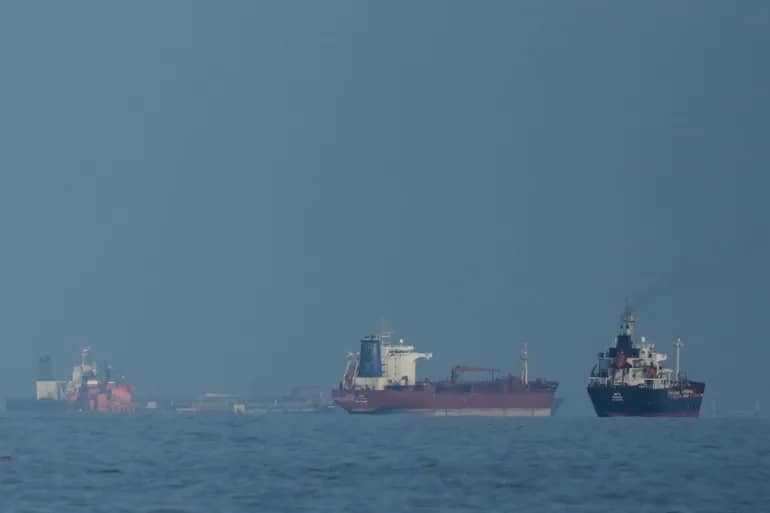
Disruption to fuel and fertiliser supplies due to the ongoing blocking of cargo vessels through the Strait of Hormuz has already lowered agricultural productivity and will hit crop yields later this year, the UN’s development chief said on Thursday.
“Even if the war would stop tomorrow, those effects, you already have them, and they will be pushing back more than 30 million people into poverty,” said Alexander De Croo, administrator of the United Nations Development Programme (UNDP).
He also warned of other fallouts of the United States-Israeli war on Iran, including energy shortages and falling remittances.
Much of the world’s fertiliser is produced in the Middle East, and one-third of global supplies passes through the Strait of Hormuz, where Iran and the US are jostling for control.
The UN’s Food and Agriculture Organization (FAO) last week warned that a prolonged crisis in the strait could lead to a global food “catastrophe”.
India, Bangladesh, Sri Lanka, Somalia, Sudan, Tanzania, Kenya, and Egypt are among the countries most at risk, according to the FAO.
“Food insecurity will be at its peak level in a few months – and there is not much that you can do about it,” De Croo said.
Straining humanitarian efforts
The knock-on effects of the Iran conflict have already wiped out 0.5 percent to 0.8 percent of global gross domestic product (GDP), according to De Croo, who noted, “Things that take decades to build up, it takes eight weeks of war to destroy them.”
De Croo, the former prime minister of Belgium, also warned that the Middle East crisis is straining humanitarian efforts in other parts of the world, with the sector already facing funding cuts.
The US-Israeli attacks on Iran, which began on February 28, have also choked up key humanitarian aid routes, delaying life-saving shipments to some of the world’s worst crises.
“We will have to say to certain people, really sorry, but we can’t help you,” De Croo said. “People who would be surviving on help will not have this, and will be pushed into even greater vulnerability.”













Great article! This really puts things into perspective. I appreciate the thorough research and balanced viewpoint.
Interesting read, though I think there are some points that could have been explored further. Would love to see a follow-up on this topic.
Thanks for sharing this! I had no idea about some of these details. Definitely bookmarking this for future reference.
Well written and informative. The examples provided really help illustrate the main points effectively.
This is exactly what I was looking for! Clear, concise, and very helpful. Keep up the excellent work!