

Get you up to speed:
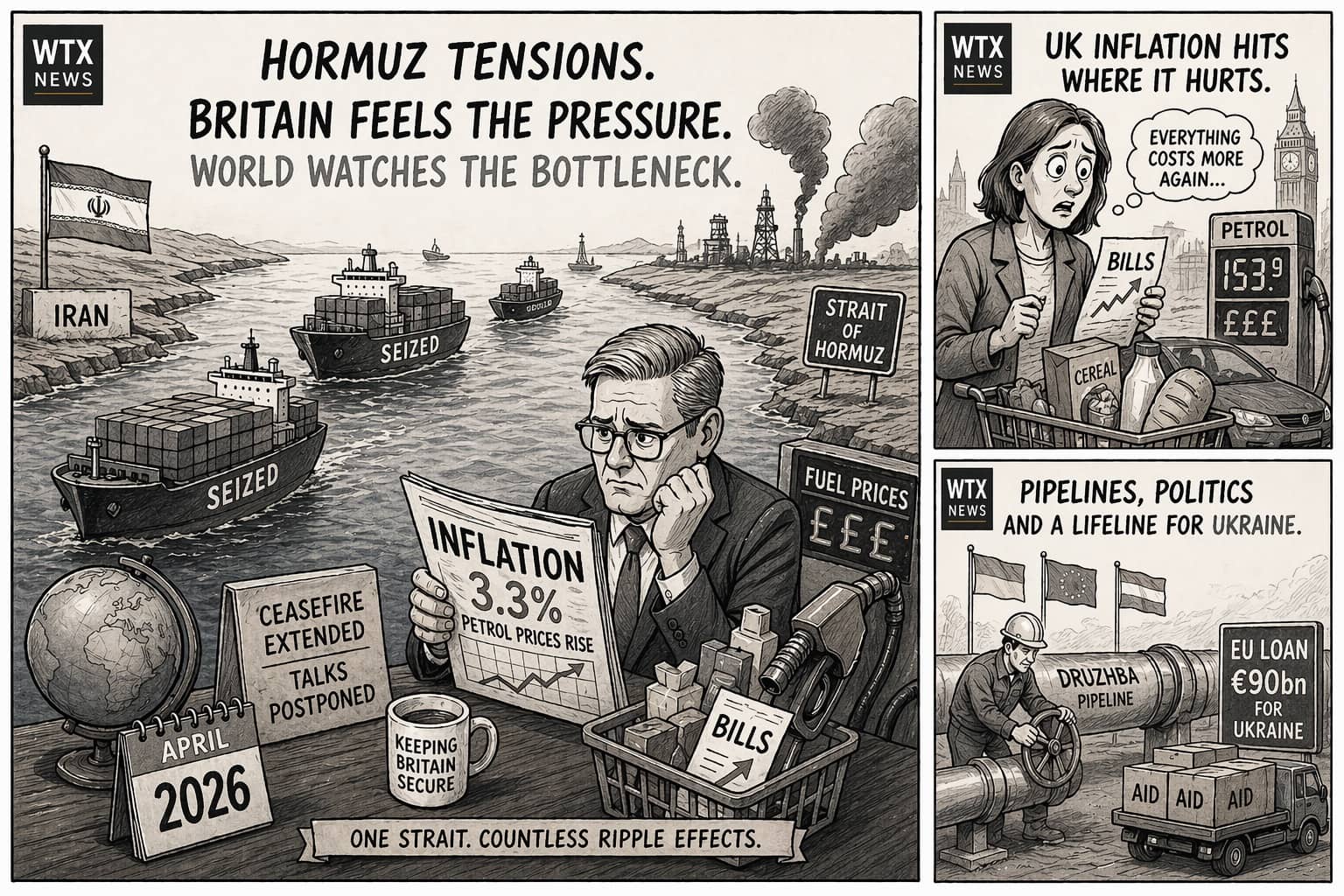
Oil prices have risen above $106 per barrel as tensions escalate between the United States and Iran over the Strait of Hormuz. US President Donald Trump stated that vessels will require permission from the US Navy to transit the key waterway, ignoring the Iranian blockade.
The Greek Maritime Affairs and Insular Policy Ministry stated that the Panamanian-flagged MSC Francesca and Greek-owned Epaminondas were not captured, contradicting claims made by Iran’s Islamic Revolutionary Guard Corps.
President Trump is erratic and Unstatesmanlike behaviour is making billions for some and costing the avergae joe hundreds. The US Navy has been ordered by President Donald Trump to destroy any Iranian vessels laying mines, while Iran’s Islamic Revolutionary Guard Corps has captured two foreign cargo ships in the region.
Oil rises above $106 per barrel as US, Iran deadlocked in Strait of Hormuz
Jump in prices comes as Donald Trump says vessels will need permission of US Navy to transit key waterway.
Oil prices have jumped on heightened tensions between the United States and Iran in the Strait of Hormuz following Washington and Tehran’s tit-for-tat captures of commercial vessels.
Brent crude, the international benchmark, topped $106 per barrel early on Friday morning as Washington and Tehran stepped up their confrontation over the key maritime route for transporting the world’s energy.
Brent stood at $106.80 as of 01:00 GMT, up nearly 5 percent from its closing price on Wednesday, when it surpassed $100 per barrel for the first time in two weeks.
US stocks fell overnight, with the benchmark S&P 500 index dipping 0.41 percent and the tech-heavy Nasdaq Composite dropping 0.89 percent.
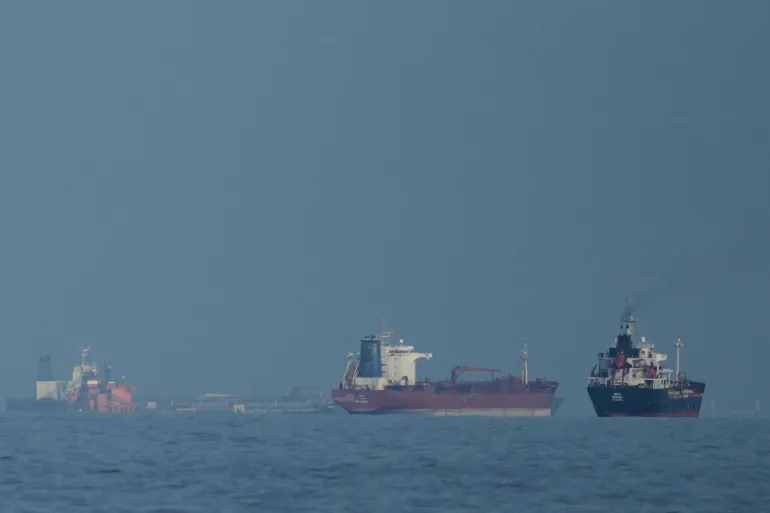
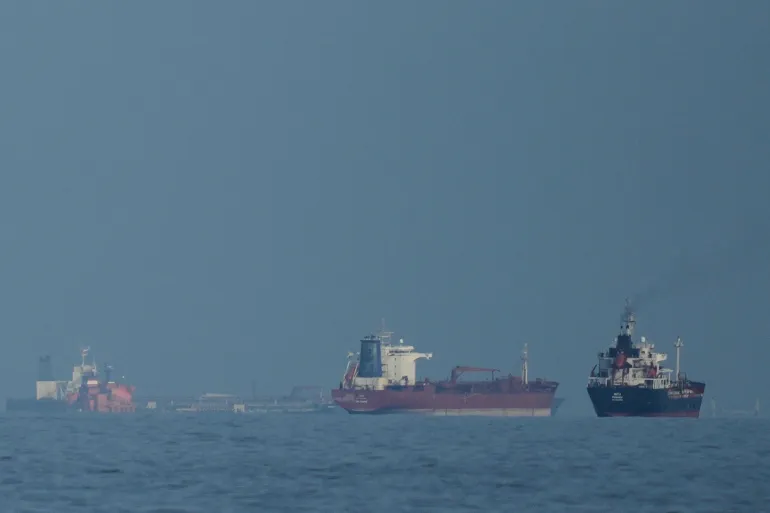
Shipping in the Strait of Hormuz, which normally carries about one-fifth of the world’s supply of oil and natural gas, remains at a standstill as Iran continues to demand the right to decide which vessels may pass and the US blocks Iran’s maritime trade.
US President Donald Trump said in a Truth Social post on Thursday that he had ordered the US Navy to destroy any Iranian boats laying mines in the strait, shortly after the Pentagon announced that it had seized a tanker carrying sanctioned Iranian oil for the second time in less than a week.
Trump also appeared to expand the scope of the US naval blockade beyond Iranian ports, writing on Truth Social that no ship “can enter or leave” the strait without the approval of the US Navy.
“It is ‘Sealed up Tight,’ until such time as Iran is able to make a DEAL!!!” Trump said.
Trump’s threats came a day after Iran’s Islamic Revolutionary Guard Corps announced the capture of two foreign cargo ships in the waterway.
The IRGC said it had seized the Panamanian-flagged MSC Francesca and Greek-owned Epaminondas after the vessels had endangered maritime security “by operating without the necessary permits and tampering with navigation systems”.
The Greek Maritime Affairs and Insular Policy Ministry has denied that the Epaminondas was captured and said the vessel remains under the control of its captain.
Only nine commercial vessels transited the strait on Wednesday, compared with seven on Tuesday and 15 on Monday, according to maritime intelligence platform Windward.
Before the US and Israel launched their war against Iran on February 28, the waterway saw an average of 129 transits each day, according to United Nations Trade and Development.















Great article! This really puts things into perspective. I appreciate the thorough research and balanced viewpoint.
Interesting read, though I think there are some points that could have been explored further. Would love to see a follow-up on this topic.
Thanks for sharing this! I had no idea about some of these details. Definitely bookmarking this for future reference.
Well written and informative. The examples provided really help illustrate the main points effectively.
This is exactly what I was looking for! Clear, concise, and very helpful. Keep up the excellent work!