

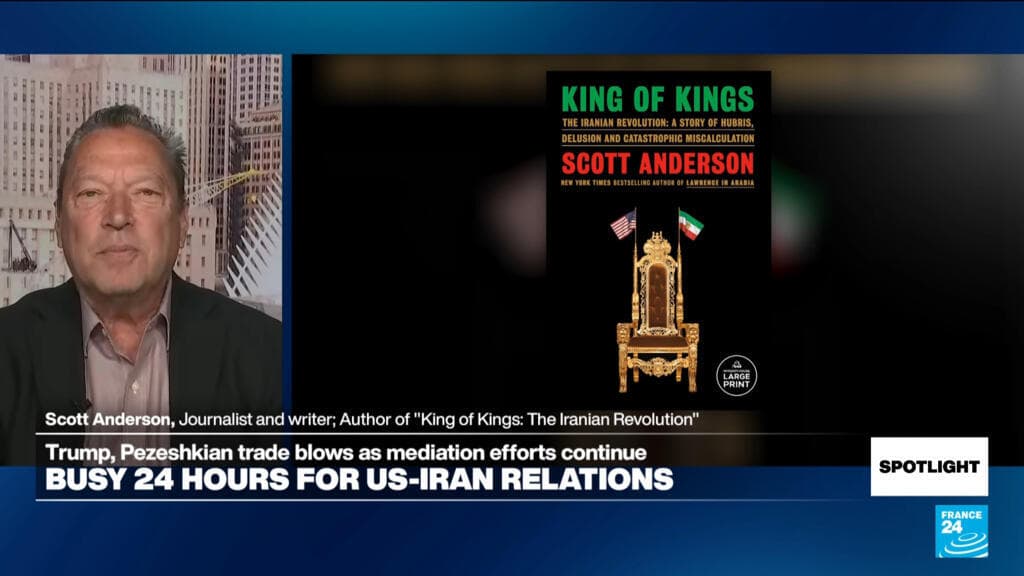
US war on Iran: Trump will ‘declare victory and go home’, embracing the ‘Greenland option’ – Spotlight
Iranian President Masoud Pezeshkian addressed the UN General Assembly, accusing the United States of “terrorism” amid ongoing conflict, following a threat from President Donald Trump to “annihilate” Iran. Pezeshkian stated that while Iran was prepared for negotiations, they would not accept “the language of force.”
As the US war with Iran continues, the timeline for potential diplomatic resolutions remains unclear, despite indications from Iranian President Masoud Pezeshkian that negotiations could be possible.
Scott Anderson cautions that the failure to understand Iran’s complex political landscape and its institutions could lead to significant consequences, warning that misinterpretation may overshadow historical lessons from 1979.
What remains unclear — It is uncertain how the US intends to respond to Iran’s mixed message of openness to diplomacy while maintaining a defiant stance against perceived threats. President Trump is known for his misdirection and entertainment value to obfuscate any political situation to his advantage.
Iran’s president defends regime at UN while open to diplomatic talks
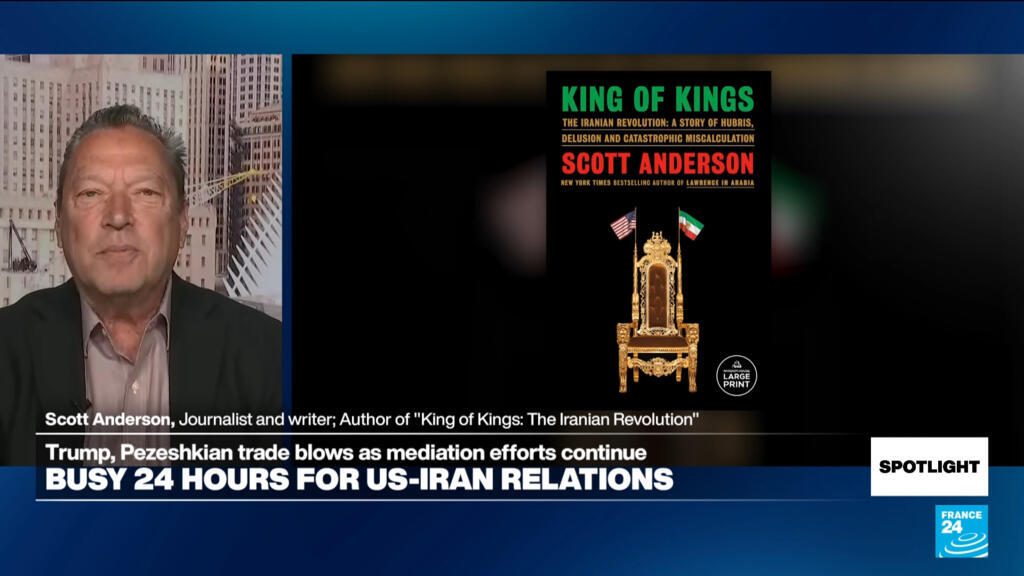
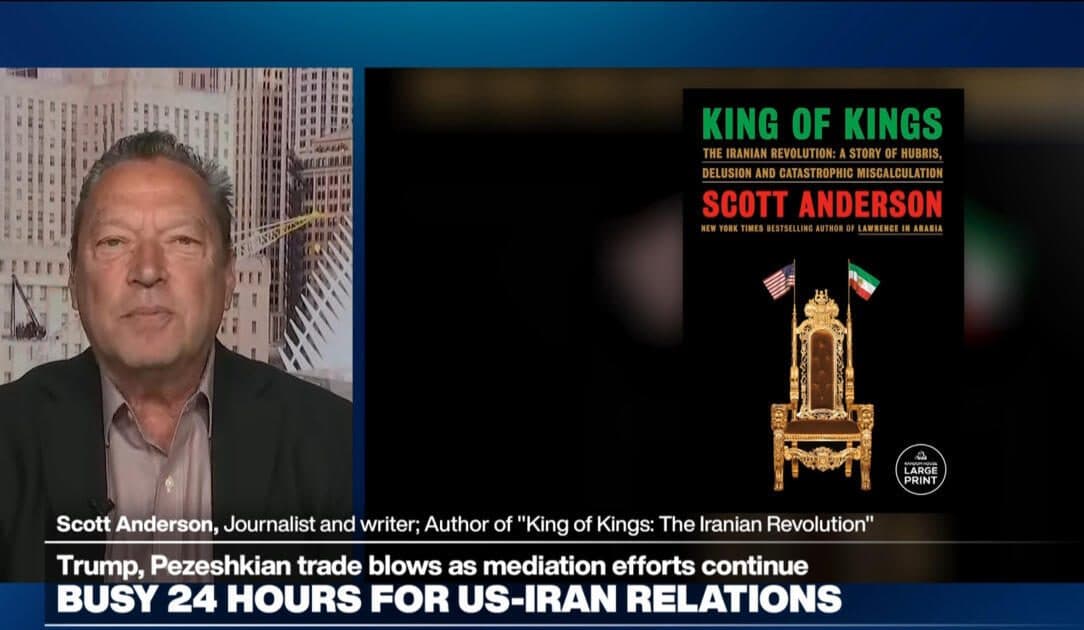
Scott Anderson, journalist, war correspondent and best-selling author of “King of Kings: The Fall of the Shah and the Revolution That Forged Modern Iran”. For Anderson, there is a striking parallel between 1979 and 2026: Washington’s persistent misreading of Iran, and the consequences that follow.
“Over the years, the CIA and the Pentagon have war-gamed out war scenarios with Iran twelve or thirteen times,” Anderson explains. “And in every scenario, the first thing the Iranian government does is seize or close the Strait of Hormuz. That was a given. So how did that not occur to the Trump administration in starting this war?”
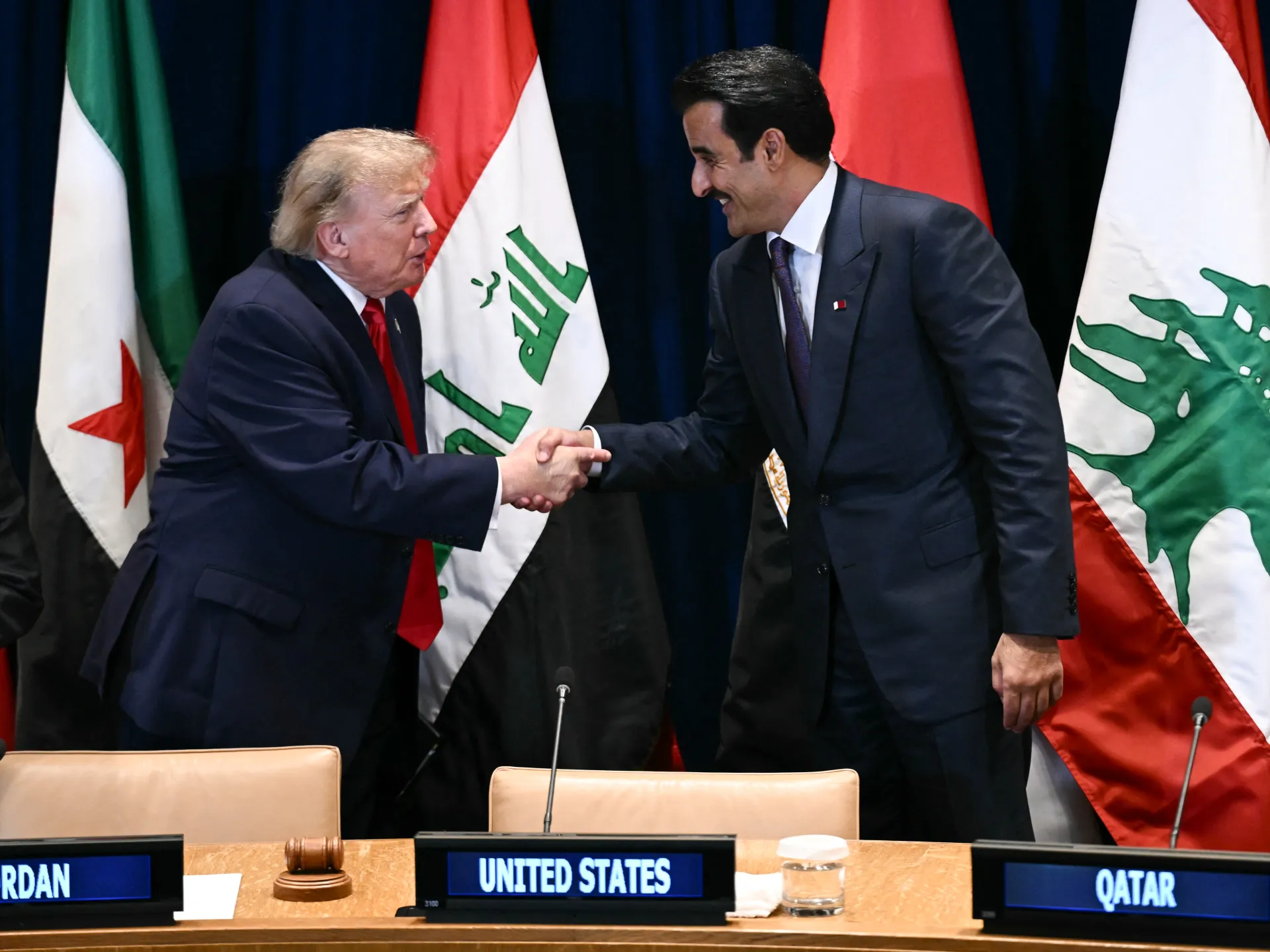
Now, nearly seven months into the US war with Iran, Iranian President Masoud Pezeshkian has delivered a defiant address to the UN General Assembly, accusing the United States of “terrorism” a day after President Donald Trump threatened to “annihilate” the Islamic Republic if a deal could not be reached. Yet Pezeshkian also left the door open to diplomacy, insisting that Iran was ready for negotiations while refusing to accept “the language of force”. His message to Trump was unequivocal: “Yes they did hit us, but we did not bend the knee.”
But Anderson’s analysis goes well beyond an intelligence failure. He portrays history as profoundly contingent. The Islamic Republic was not the predetermined destination of the 1979 revolution: liberals, leftists, nationalists and religious forces competed over what would replace the monarchy, while Ayatollah Khomeini proved far more politically adept than many of his allies and adversaries had anticipated. The revolution, in Anderson’s telling, could have taken many different paths.
Nearly half a century later, however, the Islamic Republic no longer depends on a single revolutionary leader. It has become an entrenched political system, with institutions and constituencies invested in its survival.
Anderson’s warning, then, is not that history simply repeats itself, but that the persistent misreading of Iran, its internal dynamics, sources of resilience and capacity for resistance, carries its own dangers. The outcome may be very different from 1979, but the consequences of getting Iran wrong could prove equally far-reaching.













Great article! This really puts things into perspective. I appreciate the thorough research and balanced viewpoint.
Interesting read, though I think there are some points that could have been explored further. Would love to see a follow-up on this topic.
Thanks for sharing this! I had no idea about some of these details. Definitely bookmarking this for future reference.
Well written and informative. The examples provided really help illustrate the main points effectively.
This is exactly what I was looking for! Clear, concise, and very helpful. Keep up the excellent work!