


What’s the Latest: Remains of N.B. sailor recovered nearly 80 years after plane crash
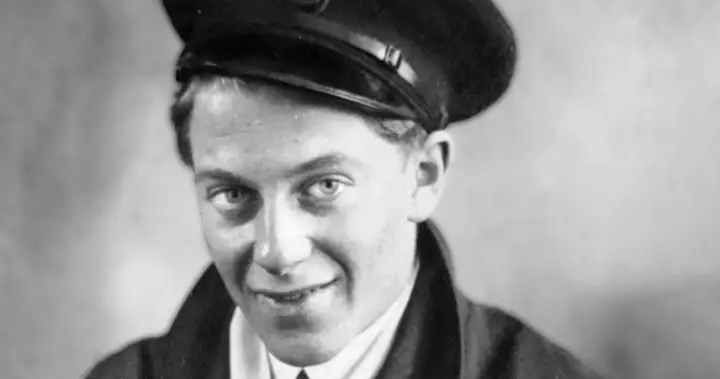
The remains of Steward James (Jimmy) Willard MacDonald, who died in a plane crash in 1947, have been recovered in County Londonderry, Northern Ireland. The identification was confirmed following a recovery operation initiated in July 2026, involving the Casualty Identification Program and various military units.
The Casualty Identification Program initiated a recovery operation in July 2026, supported by various Canadian and Commonwealth military units and archaeologists. This marks the first identification of a Royal Canadian Navy member by the program and the first such involvement in a recovery effort in a decade.
National Defence Minister David McGuinty stated that the identification of Steward James (Jimmy) Willard MacDonald “reminds us of the dedication of generations of Canadians who gave everything for their country.” The Casualty Identification Program has confirmed that MacDonald will be buried in Northern Ireland in the presence of his family at the earliest possible opportunity.
What remains unclear — Details regarding the schedule for Steward MacDonald’s burial in Northern Ireland have not been disclosed.
Remains of New Brunswick sailor recovered 80 years after plane crash
The remains of Steward James (Jimmy) Willard MacDonald, a sailor from New Brunswick, have been recovered nearly 80 years after he died in a plane crash in Northern Ireland. MacDonald, who was 25 at the time, perished on November 4, 1947, when a Fairey Firefly aircraft crashed in Mayoghill, near Garvagh, County Londonderry. Recovery efforts were unsuccessful in the immediate aftermath, and he was presumed dead.
Interest in the crash site was rekindled in June 2025 by two aviation archaeologists, leading to a recovery operation that began in July 2026. This effort was part of the Casualty Identification Program, which seeks to identify remains of service members. “The identification of Steward MacDonald reminds us of the dedication of generations of Canadians who gave everything for their country,” said National Defence Minister David McGuinty.
MacDonald, born in Newcastle, N.B., joined the Royal Canadian Naval Volunteer Reserve in April 1942. He worked as a steward, ultimately becoming a leading steward, known for his superior performance in duties. He served aboard HMCS Warrior and was stationed in Northern Ireland as Canadian naval air squadrons re-equipped with new aircraft.
Despite the pilot ejecting safely, MacDonald was unable to escape, and the crash location was deemed too difficult for recovery without a major effort. The official search concluded on November 20, 1947. The local community commemorated him with a monument near the crash site, and his name is inscribed on the Halifax Memorial in Point Pleasant Park.
The Casualty Identification Program, established in 2007, identified MacDonald as the first member from the Royal Canadian Navy to be recognised under this initiative. Family members have been informed and arrangements are being made for his burial in Northern Ireland “in the presence of his family, at the earliest possible opportunity.”











Great article! This really puts things into perspective. I appreciate the thorough research and balanced viewpoint.
Interesting read, though I think there are some points that could have been explored further. Would love to see a follow-up on this topic.
Thanks for sharing this! I had no idea about some of these details. Definitely bookmarking this for future reference.
Well written and informative. The examples provided really help illustrate the main points effectively.
This is exactly what I was looking for! Clear, concise, and very helpful. Keep up the excellent work!