


Media Lens: Five men arrested near RAF Fairford released on bail amid investigation
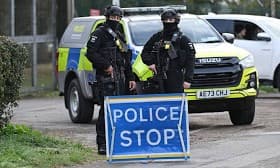
Five men arrested near RAF Fairford in the UK have been released on bail. The arrests relate to an alleged terror plot targeting the base, which is used by US forces.
Quick links: What has happened | Status quo | Confirmed facts | Preconceptions | Elisions | One story, four angles | Related links
What has happened
Five men arrested near RAF Fairford in Gloucestershire were released on bail after their detention related to an alleged terror plot. The individuals were apprehended as part of an investigation involving potential threats against the airbase, which is known to host U.S. forces, although specific details on the alleged plot remain unclear.
The arrests took place under the UK’s Terrorism Act 2000, sparking discussions around security measures at military facilities. Authorities emphasized the ongoing nature of the investigation, ensuring public safety while the suspects await further proceedings.
Status quo
Five men were arrested near RAF Fairford in the United Kingdom on suspicion of planning a terrorist attack. The arrests were part of a large-scale investigation involving anti-terrorism police. Following their detention, the men were released on bail. This incident has drawn attention to potential links to Iran, a matter highlighted by various political figures, including U.S. Senator Marco Rubio.
Confirmed facts
- Five men were arrested near RAF Fairford in connection to a terror plot.
- The suspects have been released on bail.
- The incident is being investigated, and there are suggestions of potential links to a foreign actor.
- The arrests received attention from multiple media outlets including Axios, CNN, and The Guardian.
Preconceptions
- Axios prioritises the legal outcomes of the RAF Fairford arrests, leading with information about the men being released on bail and potential implications towards relevant government entities.
- CNN emphasises political reactions, particularly quoting Florida Senator Marco Rubio on foreign involvement, while reducing focus on the suspects’ release details.
- The Guardian highlights public trust in local police, presenting perspectives from political figures, while downplaying the broader implications of the arrests on international relations.
- WSJ focuses on the narrative of the suspects’ release and its impact on U.S. military operations, with less emphasis on political reaction or public sentiment.
Elisions
- Reporting on the current status of the investigation into the RAF Fairford arrests varies significantly, with Axios detailing the arrests and release on bail, while CNN emphasizes potential foreign involvement but lacks information on the suspects’ current legal situation.
- While multiple sources mention the terror plot at RAF Fairford, The Guardian highlights public trust in police assurances regarding the suspects, a nuance absent from both Axios and CNN’s reports which focus more on the arrests.
- CNN includes comments from politicians expressing concerns over national security in response to the arrests, whereas Axios focuses on the procedural aspects of the bail and does not delve into political implications.
One story, four angles
Axios – What to know about RAF terror plot arrests and possible Iran link
Publication: Axios | Intensity: (7/10) | Sentiment: Neutral | Legal precision: High
Expand
Espresso Shot: This publication emphasizes the notion of foreign involvement in the alleged terror plot, immediately inviting the reader’s intrigue with the phrase “possible Iran link.”
Key differences:
1. Axios utilizes a more structured presentation of facts, focusing on potential international implications, as seen in “possible Iran link” vs. CNN’s emphasis on statements from U.S. officials.
2. In contrast to The Guardian’s detailed timeline approach, Axios offers a concise overview, prioritizing essential updates without in-depth narrative.
3. Axios structures the information leading with “what to know,” guiding the reader’s focus first to critical context, unlike WSJ’s in-depth analysis of the aftermath.
Bias: Selection: Focused heavily on international aspects. | Language: Neutral but hints at suspicion regarding foreign involvement. | Omission: Lacks detailed local community responses compared to other outlets.
Assessment: Readers are led to believe there’s significant international intrigue surrounding the arrests of the five suspects.
CNN – Rubio says ‘foreign actor’ involved in alleged terror plot targeting British base used by US
Publication: CNN | Intensity: (8/10) | Sentiment: Negative | Legal precision: Medium
Expand
Espresso Shot: The principal focus is on allegations of foreign involvement, primarily through the quotes from Senator Rubio, captured the reader’s attention immediately.
Key differences:
1. CNN amplifies political perspectives with direct quotes from politicians, such as Senator Rubio, emphasizing urgency compared to Axios’s generalized reporting.
2. While WSJ discusses the implications of the plot’s fallout, CNN’s framing is action-oriented with an emphasis on “foreign actor” that stirs more anxiety.
3. CNN dedicates substantial space to government response, thus shifting from merely reporting facts to instilling public concern about international security threats.
Bias: Selection: Highlights political commentary predominantly from U.S. officials. | Language: Uses emotionally charged phrases like “foreign actor.” | Omission: Minimizes local perspectives or public sentiment regarding safety.
Assessment: The reader is prepared to perceive a looming international threat due to the involvement of a “foreign actor.”
The Guardian – RAF Fairford: Labour’s deputy leader says ‘I trust our police’ after Trump questions decision to bail suspects – latest updates
Publication: The Guardian | Intensity: (6/10) | Sentiment: Mixed | Legal precision: High
Expand
Espresso Shot: This publication emphasizes the response of political figures to the terror arrests, creating an atmosphere of discussion regarding policing and societal trust.
Key differences:
1. The Guardian highlights local responses and realist perspectives with a quote such as “I trust our police,” placing more focus on community sentiment compared to CNN’s political hyperbole.
2. The coverage delves deeper into implications of policing decisions, unlike Axios, which focuses primarily on raw facts and implications.
3. As opposed to WSJ’s meticulous narrative construction, The Guardian maintains a conversational tone, appealing to everyday concerns and the public’s desire for transparency.
Bias: Selection: Prioritizes opinions of local political figures and community responses. | Language: Engages with more casual but serious tones aimed at public trust. | Omission: Lesser focus on foreign implications or threats than other outlets.
Assessment: Readers are led to believe in the importance of community trust concerning policing amid shocking incidents.
WSJ – U.K. Releases Suspects in Terror Plot at Base Hosting U.S. Forces
Publication: WSJ | Intensity: (5/10) | Sentiment: Neutral | Legal precision: High
Expand
Espresso Shot: This article brings attention to the legal ramifications of releasing suspects, addressing procedural aspects and responses with a measured tone.
Key differences:
1. WSJ emphasizes legal implications and procedural matters in the aftermath, contrasting with CNN’s political urgency.
2. The Guardian brings in public sentiment, while WSJ remains focused on the facts of the release and organizational statements, creating a more formal atmosphere.
3. Unlike Axios, which offers immediate updates, WSJ provides a meticulous breakdown of the charges and legal concerns surrounding the suspects.
Bias: Selection: Prioritizes legal and procedural insights over emotional responses. | Language: Formal and restrained; avoids sensationalism. | Omission: Less emphasis on potential international involvement compared to other outlets.
Assessment: Readers may grasp the seriousness of the legal proceedings involved without a deep engagement with public emotions around the incident.
Among the analyzed publications, Axios adopts a concise stance, focusing on facts surrounding the arrests, revealing its strength in neutrality. In contrast, CNN escalates the narrative with references to potential foreign involvement, heightening the drama around the incident. The Guardian addresses public trust issues related to the police’s handling of the case, which also leans toward escalation. The Wall Street Journal presents a factual recount of the release, maintaining a lower intensity of concern. Therefore, Axios provides the strongest framing, while CNN and The Guardian showcase more escalatory perspectives.
The facts do not change. What changes is where scrutiny lands.
Related links
Axios
What to know about RAF terror plot arrests and possible Iran link
CNN
Rubio says ‘foreign actor’ involved in alleged terror plot targeting British base used by US
The Guardian
WSJ
U.K. Releases Suspects in Terror Plot at Base Hosting U.S. Forces








Great article! This really puts things into perspective. I appreciate the thorough research and balanced viewpoint.
Interesting read, though I think there are some points that could have been explored further. Would love to see a follow-up on this topic.
Thanks for sharing this! I had no idea about some of these details. Definitely bookmarking this for future reference.
Well written and informative. The examples provided really help illustrate the main points effectively.
This is exactly what I was looking for! Clear, concise, and very helpful. Keep up the excellent work!