


Get you up to speed: 24 states sue to block new Postal Service rules for mail voting ahead of midterms
A coalition of 24 states and the District of Columbia has filed a lawsuit in Massachusetts to block a new U.S. Postal Service rule that imposes requirements for mail voting. The states argue that the rule will hinder their ability to administer mail voting for the upcoming November midterm elections and risks disenfranchising voters.
The states’ lawsuit argues that the U.S. Postal Service’s new requirements will necessitate immediate redesigns of mail ballot envelopes and the rapid development of new systems to comply. The lawsuit follows a recent Supreme Court ruling stating the states had filed their previous challenge too early, allowing the Postal Service to proceed with implementing the contested rule.
A coalition of 24 states and the District of Columbia has filed a lawsuit in federal court in Massachusetts seeking to block a new U.S. Postal Service rule that they claim risks disenfranchising mail voters by imposing unconstitutional requirements. Democratic campaign committees are also planning to file new lawsuits against the Postal Service’s rule following a Supreme Court decision that allows the Trump administration’s executive order to proceed.
What remains unclear — It is uncertain how many states will be affected by the new mail voting requirements from the Postal Service and what specific challenges they will face in implementing them.
24 states and D.C. file lawsuit to block new Postal Service mail voting rules
Washington — A coalition of 24 states and the District of Columbia filed a lawsuit Wednesday that seeks to block a new rule from the U.S. Postal Service that imposes requirements for mail voting ahead of the November midterm elections.
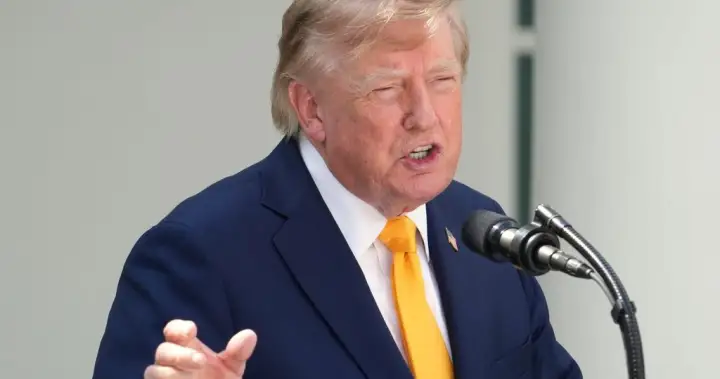
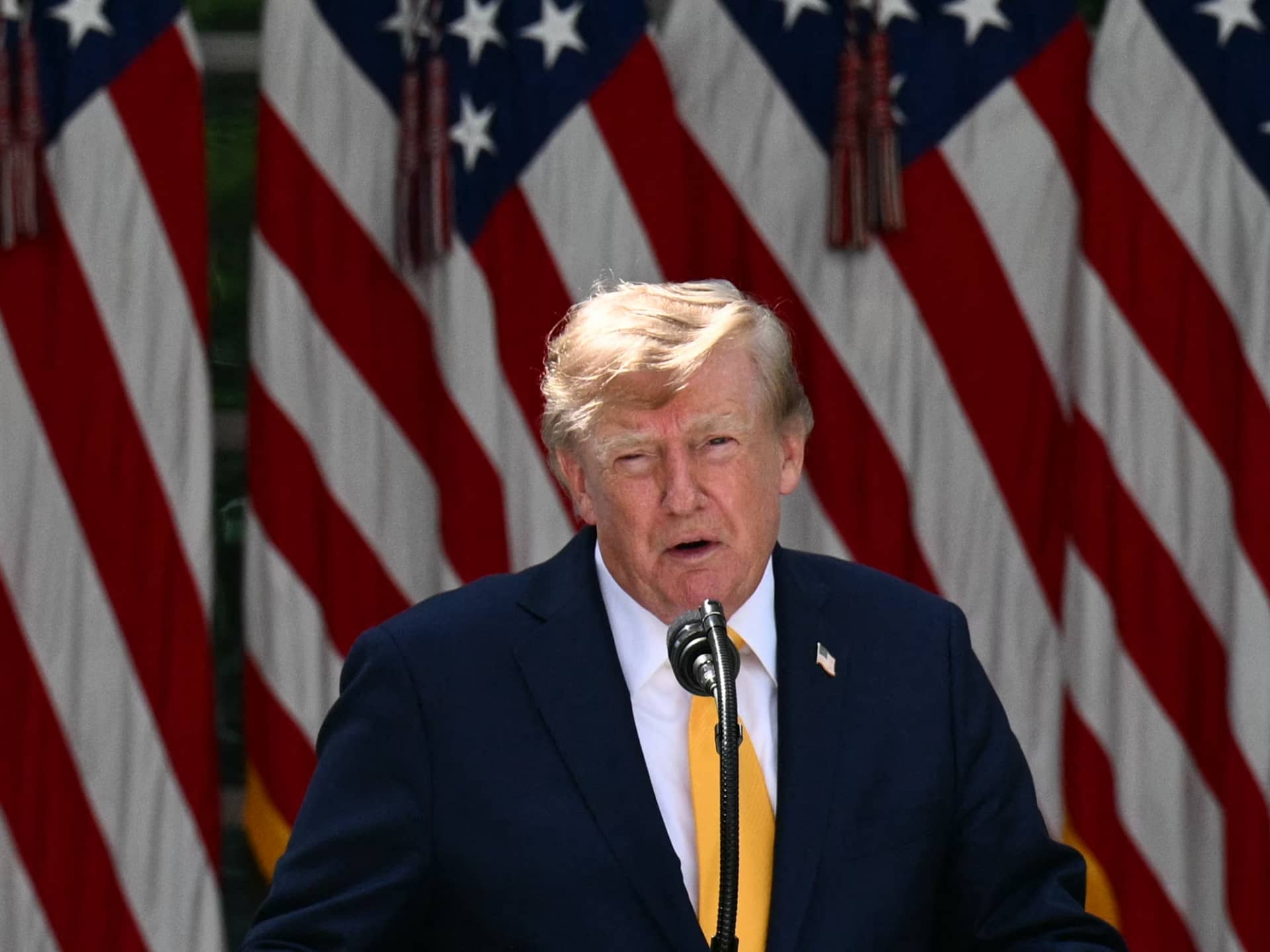
The final rule, published by the agency last Friday, came in response to an executive order President Trump signed in March that seeks to tighten the rules for mail voting. The states argue in their lawsuit, filed in federal court in Massachusetts, that the rule will prevent them from administering their mail voting programs for the midterm elections and risks disenfranchising voters who cast their ballots by mail.
They said in their lawsuit that the Postal Service’s new measure unconstitutionally exceeds the executive branch’s power and interferes with states’ authority to administer elections under their own laws.
“The Rule violates the Constitution and federal statutes many times over,” the state attorneys general said. “It displaces state laws adopted pursuant to each State’s constitutional authority to administer elections, erects new USPS functions and ballot mail constraints that are inconsistent with USPS’s governing statutes, flouts USPS’s procedural requirements, violates the Privacy Act, and cannot be reconciled with federal voting rights law.”
They continued: “Each of these defects would alone establish the Rule’s unlawfulness. Together, they demonstrate USPS’s utter disregard for the law in carrying out the President’s policy preferences.”
The states warned that if the Postal Service’s new requirements are allowed to take effect, election officials will have to devote time, money and resources to implement the changes.
The new measure from the Postal Service implements the plans laid out in Mr. Trump’s executive order, which he said are necessary to protect the integrity of U.S. elections. The rule lays out design elements required for mail ballot envelopes, including trackable barcodes, and directs state election officials to submit to an online portal the names and addresses of voters to whom they intend to send mail ballots.
Voters will then be enrolled in a state-specific “Mail-In and Absentee Participation List,” which the Postal Service said is “primarily intended to assist election officials and law enforcement to understand who may have been mailed a ballot, in order to identify potentially anomalous incidents that may merit further investigation.”
The Postal Service “will not play any role in determining voter eligibility, maintaining voter rolls, or counting ballots,” it said.
But the states said that as a result of the rule, they must immediately redesign their mail ballot envelopes to comply with its requirements and seek review from the Postal Service “at significant costs.”
“Plaintiff States’ election officials must also develop new systems at breakneck speed to convey mail voter lists to USPS to ensure that every eligible voter who is entitled to a mail ballot receives one, create new guidance for and train election officials, and educate the public about changes to mail voting,” they said in the suit.
They warned that there may also be an influx of voters who choose to cast their ballots in person instead of by mail because of the Postal Service’s changes.
“In short, they must accomplish multiple Herculean tasks, each necessary to address the disruption caused by the Rule, in a matter of weeks, with limited resources,” the states said.
Nearly all of the states that signed onto the new lawsuit filed an earlier challenge to Mr. Trump’s executive order. A federal district court blocked the administration from implementing key provisions of the order, including the directives for the Postal Service. But the Supreme Court on Monday halted the lower court’s injunction.
In a 6-3 decision that rested on procedural grounds, the high court’s conservative majority said the states filed their lawsuit too soon and found the district court lacked jurisdiction to bar the Trump administration from trying to implement the executive order.
“The Court’s disposition of this application does not mean that any measure taken by the Government to implement the Order will necessarily be lawful,” the Supreme Court said in an unsigned decision. “On that score, time will tell.”
On the heels of that decision, Democratic campaign committees have also moved to file new lawsuits challenging the Postal Service’s rule.












Great article! This really puts things into perspective. I appreciate the thorough research and balanced viewpoint.
Interesting read, though I think there are some points that could have been explored further. Would love to see a follow-up on this topic.
Thanks for sharing this! I had no idea about some of these details. Definitely bookmarking this for future reference.
Well written and informative. The examples provided really help illustrate the main points effectively.
This is exactly what I was looking for! Clear, concise, and very helpful. Keep up the excellent work!