


Get you up to speed: US public support for Iran war falls as Trump approval at record low: Poll
Support for the US war on Iran has declined to 31 percent, according to a Reuters/Ipsos poll conducted among 1,215 adults across the United States. The conflict, which began on February 28 with US and Israeli attacks on Iran, has contributed to rising petrol prices amid concerns about its economic impact.
The conflict that began on February 28 has seen petrol prices rise by more than $1 per gallon compared to pre-war levels, increasing economic pressure prior to the upcoming midterm elections. The Reuters/Ipsos poll, conducted over four days, queried 1,215 adults nationwide and has a margin of error of 3 percentage points.
Public support for the war on Iran has dropped to 31 percent, with a significant decline among Republican respondents, according to a Reuters/Ipsos poll. Secretary of the Treasury Scott Bessent announced new measures under “Operation Economic Outcast” aimed at increasing economic pressure on Iran, while a growing majority of Americans expect the conflict to persist for an extended period.
What remains unclear — It is uncertain how the ongoing economic effects of the war will influence voter sentiment in the upcoming midterm elections.
US public support for war on Iran declines amid Trump’s record low approval
News|US-Israel war on IranUS public support for Iran war falls as Trump approval at record low: Poll
Falling Republican support, rising gas prices, and fears of a long conflict drive a decline in backing for the Iran war.
Published On 24 Aug 202624 Aug 2026
 Published On 24 Aug 202624 Aug 2026
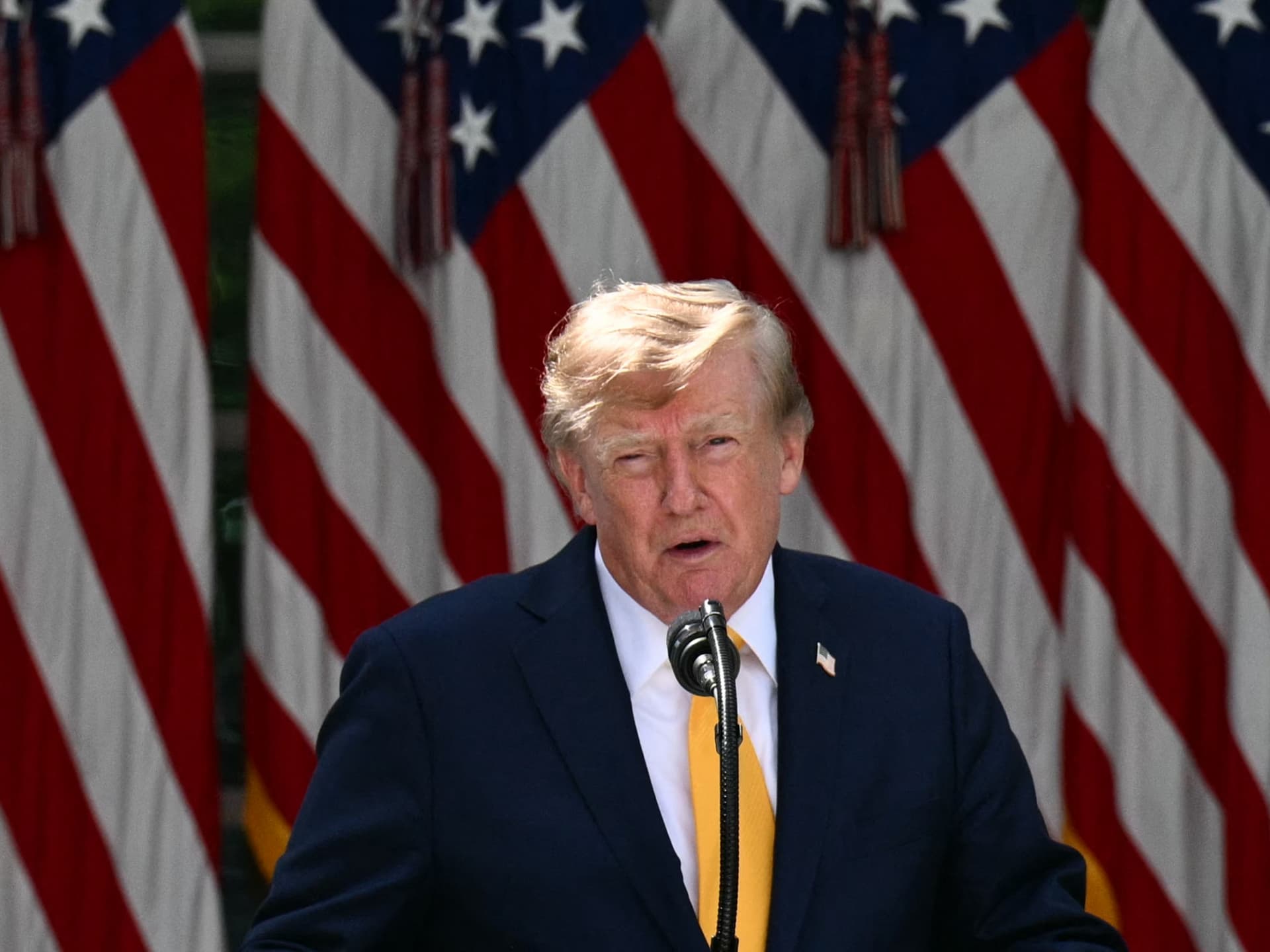
Support in the United States for the war on Iran has fallen as President Donald Trump’s approval remains at a record low, a Reuters/Ipsos poll suggests.
Public backing for the war has dropped to its lowest level since the early stages of the conflict, with declining Republican support contributing to the shift, according to the poll released on Monday.
Just 31 percent of Americans surveyed said they support US military action against Iran, down from 37 percent in March and 34 percent earlier this month. Support among Republican respondents fell to 69 percent, compared with 77 percent in March.
The war is also continuing to weigh on Trump’s standing with the public, the poll suggests. For the second consecutive Reuters/Ipsos survey, 33 percent of respondents said they approved of Trump’s performance as president, matching the lowest approval rating recorded in the polling series across his first and second terms.
Trump has defended the military campaign as necessary to prevent Iran from developing a nuclear weapon. The conflict began on February 28 with US and Israeli attacks on Iran.
But the economic effects of the war remain a concern for Americans. Iran has maintained a de facto blockade of oil exports from the region, contributing to a rise in US petrol prices to near record highs.
The Trump administration has also announced recent pledges to increase economic pressure on Iran. Secretary of the Treasury Scott Bessent said on Monday that the US would target all of Iran’s sources of revenue, including oil, with the aim of preventing other countries and companies from doing business with Tehran. The campaign is dubbed “Operation Economic Outcast”.
A growing majority of Americans expect the war to continue for some time, the poll suggests. Eighty-three percent of respondents said they believe the conflict will last for an extended period, up from 80 percent earlier this month.
The prospect of a lengthy war presents a challenge for Trump, who campaigned for the presidency in 2024 on promises to bring down inflation and to adopt an “America First” strategy of avoiding foreign military engagements.
Six months into the conflict, petrol prices are more than $1 per gallon (3.8 litres) higher than they were before the war, adding to economic pressure ahead of November’s midterm elections.
The higher fuel costs could also create difficulties for Republicans defending narrow congressional majorities.
The poll suggests that independent voters favour Democrats over Republicans when asked which party they would support in a congressional election held today. Among independents, 33 percent said they would vote for a Democrat, compared with 19 percent who said they would choose a Republican.
The Reuters/Ipsos survey questioned 1,215 adults across the United States over four days and has a margin of error of 3 percentage points in either direction.







Great article! This really puts things into perspective. I appreciate the thorough research and balanced viewpoint.
Interesting read, though I think there are some points that could have been explored further. Would love to see a follow-up on this topic.
Thanks for sharing this! I had no idea about some of these details. Definitely bookmarking this for future reference.
Well written and informative. The examples provided really help illustrate the main points effectively.
This is exactly what I was looking for! Clear, concise, and very helpful. Keep up the excellent work!