


Get you up to speed: US Postal Service says mail-in ballot restrictions now in effect
New restrictions on mail-in ballot handling by the United States Postal Service are now in effect, following a ruling from the US Supreme Court that supported changes backed by President Donald Trump. The new measures require the agency to create lists of eligible voters and only deliver ballots to those on the lists, amidst ongoing legal challenges from 24 states asserting the regulations are unconstitutional.
The US Postal Service’s new mail-in ballot procedures will utilise state-provided lists to ensure ballots are only sent to eligible voters. Meanwhile, a group of 24 states has initiated a legal challenge in Massachusetts, asserting that the new mail voting requirements are unconstitutional and could cause significant harm ahead of the November 3 elections.
The US Postal Service announced that new restrictions on mail-in ballots are now in effect, aligning with a recent US Supreme Court ruling that favoured changes proposed by President Trump. In response, 24 states have filed a federal challenge in Massachusetts, claiming the measures could inflict “significant, imminent, and irreparable harm” on the electoral process ahead of the midterm elections on November 3.
What remains unclear — The outcome of the fresh legal challenges to the mail-in ballot changes remains undetermined.
US Postal Service implements mail-in ballot restrictions ahead of elections
News|US Midterm Elections 2026US Postal Service says mail-in ballot restrictions now in effect
The US Supreme Court ruled in favor of changes backed by President Donald Trump, but new challenges have been filed.
Published On 27 Aug 202627 Aug 2026
 Published On 27 Aug 202627 Aug 2026
New restrictions on how the United States Postal Service will handle mail-in ballots are now in effect, even as challenges in court to the measures touted by US President Donald Trump continue.
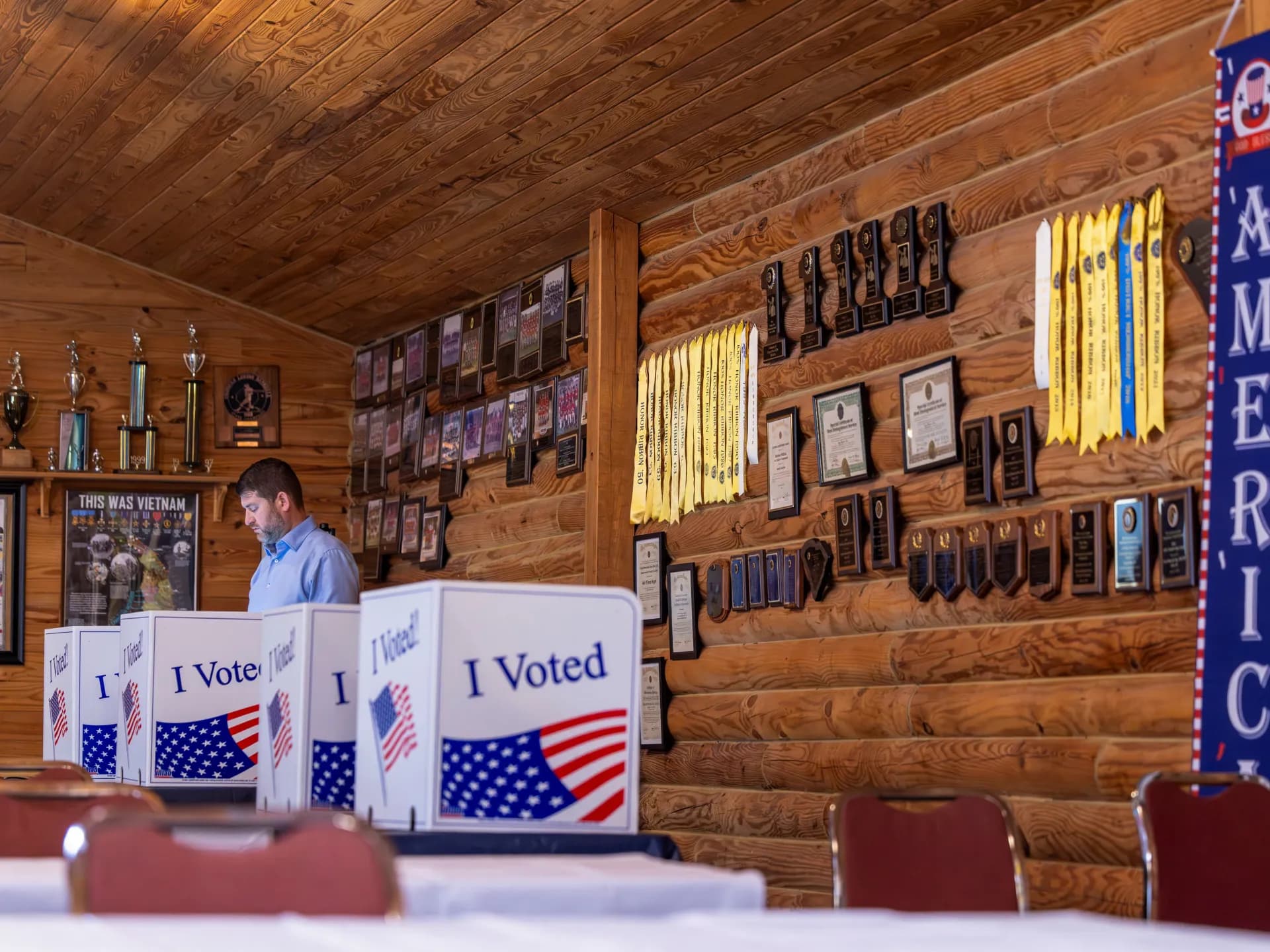
The Postal Service announcement on Thursday comes as states are preparing to send out millions of ballots to voters through the mail ahead of US midterm elections scheduled across the US on November 3.
“The government subsequently received such relief from those injunctions, meaning the injunctions no longer preclude the implementation of the Rule for November 3, 2026 or any earlier federal election,” the independent federal agency said.
The new procedures mean the agency would compile lists of eligible voters using input from US states and only deliver ballots to individuals who are on those lists.
On Monday, the US Supreme Court cleared the way for the new measures by ruling in favour of the Trump administration. Other court challenges to the rules continue, however, including a fresh case filed in a federal court in the US state of Massachusetts on Wednesday by 24 states. State attorneys-general argue the measures are unconstitutional and would also inflict “significant, imminent, and irreparable harm” on states by imposing “new and burdensome mail voting requirements” just before the November elections.
Voting by mail has long been a favourite target for Trump, who has claimed that it breeds fraud despite strong evidence to the contrary and his own use of the voting method. President Trump has claimed states have not done an adequate job in verifying who sends in mail-in ballots, and that those registered to vote meet requirements like being US citizens.
In March, Trump signed an executive order calling on his administration to create lists of eligible voters and the Postal Service to deliver mail-in ballots only to those on those lists.
The Postal Service had come up with regulations on how it would handle mail-in ballots based on that directive, but put its implementation on hold as Democratic officials in dozens of states, along with voting rights advocacy groups, lodged legal challenges in federal courts.
Monday’s Supreme Court case, which has a 6-3 conservative majority, ruled in the Trump administration’s favor in one of those key challenges: Officials from dozens of states had sued to block the presidential order, arguing that the US Constitution gives states and Congress the power to run elections and that Trump’s changes could lead to chaos and partisan abuse.
The Trump administration then appealed to the Supreme Court on procedural grounds in late July after a judge ruled in the officials’ favour for the midterms, arguing that the states sued too soon. The court did not decide on the constitutionality of the order.
Voting by mail has become increasingly popular with voters of both Republican and Democratic parties, accounting for about 30 percent of ballots cast during the 2024 presidential election, according to federal data. Despite claims by Trump about problems with mail-in voting, experts have found it to be secure. A 2025 Brookings Institution study found only about four cases of fraud out of every 10 million mail ballots cast.















Great article! This really puts things into perspective. I appreciate the thorough research and balanced viewpoint.
Interesting read, though I think there are some points that could have been explored further. Would love to see a follow-up on this topic.
Thanks for sharing this! I had no idea about some of these details. Definitely bookmarking this for future reference.
Well written and informative. The examples provided really help illustrate the main points effectively.
This is exactly what I was looking for! Clear, concise, and very helpful. Keep up the excellent work!