


TL;DR
- The US has exempted the UK from proposed trade tariffs on pharmaceuticals, easing prior concerns over export charges from Europe.
- In return, the UK will raise the cost-effectiveness threshold for NHS medicine assessments, allowing for broader approval of significant health-improving drugs.
- This adjustment marks the first increase in NICE’s baseline threshold in over 20 years, responding to US complaints about pricing in Europe.
US and UK agree zero-tariffs on pharmaceuticals
The US has agreed to spare the UK from threatened trade tariffs on pharmaceutical products.
The announcement was made following months of uncertainty over whether exports from the UK, and elsewhere across Europe, would be subject to steep charges.
In return, the UK has agreed to increase the baseline threshold used to assess if medicines can be used by the NHS.
The National Institute for Health and Care Excellence (NICE) will increase the base threshold by 25%: from £20,000-£30,000 to £25,000-£35,000.
It means NICE will be able to approve medicines that deliver significant health improvements but might have been declined purely on cost-effectiveness grounds, the government said.
This will give NICE the opportunity to approve more new medicines and allow a greater number of patients to benefit from them, the Association of the British Pharmaceutical Industry (ABPI) said.
It pointed out that NICE’s baseline cost-effectiveness threshold has not been increased for over 20 years.
US Trade Representative Jamieson Greer said the US “will work to ensure that UK citizens have access to latest pharmaceutical breakthroughs”.
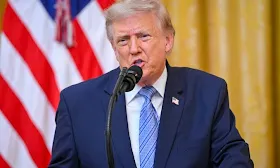
US President Donald Trump has long complained that Europe does not pay enough for US drugs.
America and the UK agreed in May to seek a deal on the proviso that firms secured a better operating environment in Britain.
Criticism includes the concern that firms lose out on revenue due to a pricing regime which prioritises low costs for the NHS over incentives to invest.
In October, the science minister Patrick Vallance told MPs, as talks with the US continued, that many drugs available in the UK would see an “inevitable” price increase.















Great article! This really puts things into perspective. I appreciate the thorough research and balanced viewpoint.
Interesting read, though I think there are some points that could have been explored further. Would love to see a follow-up on this topic.
Thanks for sharing this! I had no idea about some of these details. Definitely bookmarking this for future reference.
Well written and informative. The examples provided really help illustrate the main points effectively.
This is exactly what I was looking for! Clear, concise, and very helpful. Keep up the excellent work!