


If fuel prices feel like they’re creeping up again, or the weekly shop never quite settles, the reason doesn’t start here.
It starts further away, in the Strait of Hormuz.
The war that’s quietly hitting your wallet, but who benefits?
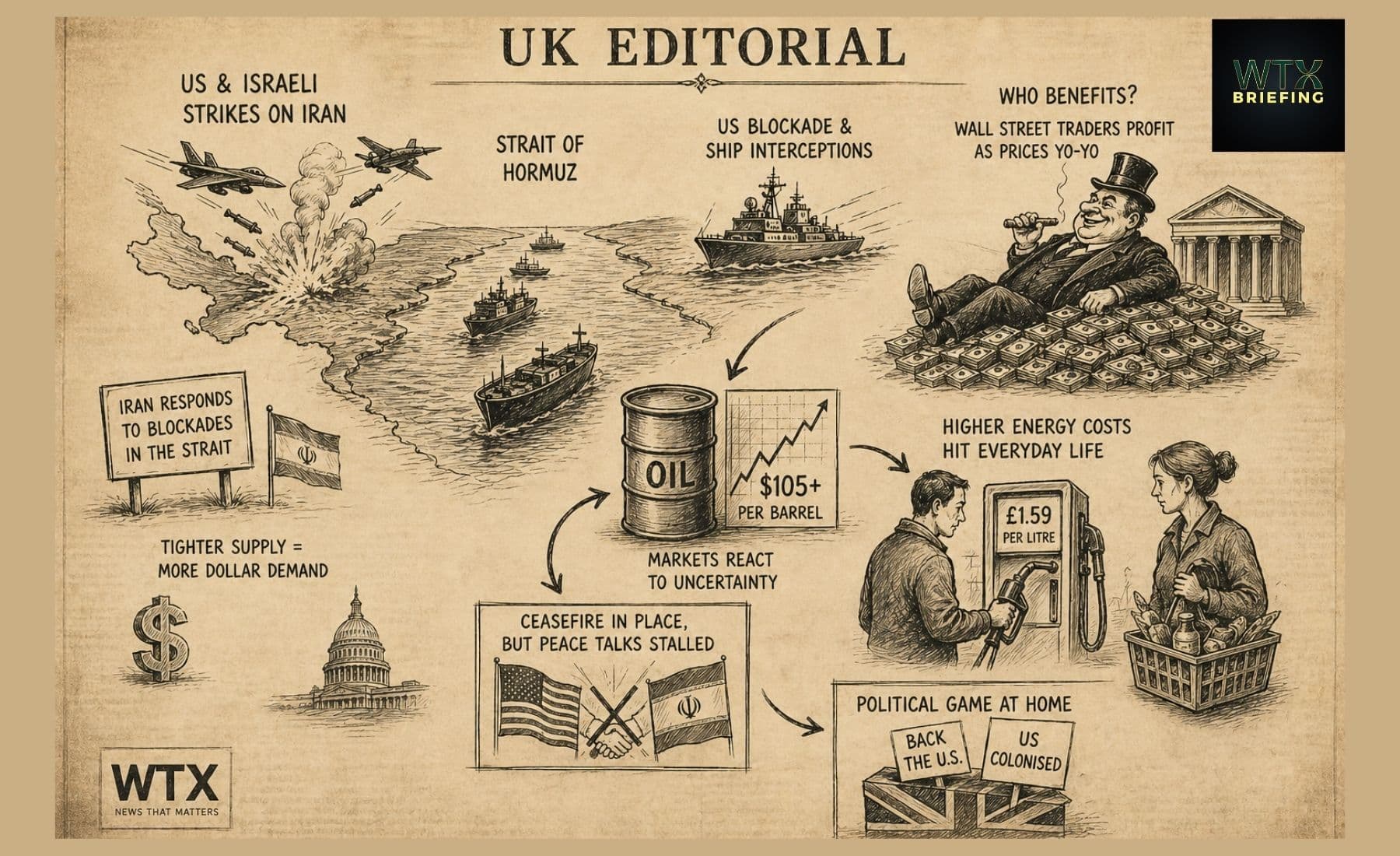
The current disruption follows US and Israeli strikes on Iran, framed as regional security measures. Iran’s actions since — including seizing ships — have come in response to restrictions and blockades affecting its own exports. That sequence matters, because it changes how the story is usually told.
The Strait itself is one of the world’s most important energy routes. When activity there becomes unstable, markets don’t wait for clarity. Oil has already climbed from around $75 before the conflict to above $105 a barrel — not necessarily because supply has fully stopped, but because no one is quite sure how stable it will be.

The US response has been to harden its position, intercepting vessels and expanding its naval presence, while maintaining a blockade that has redirected dozens of ships. At the same time, President Trump has argued the US does not depend on the Strait in the same way — a claim that sits uneasily alongside rising global prices, including in the United States itself.
That’s where the picture becomes clearer.
Because while the conflict is presented as strategic, the incentives are harder to ignore. As supply tightens and prices rise, countries like the UK are pushed towards alternative energy sources — often priced in dollars and, in many cases, sourced from or influenced by the United States. That strengthens demand for the dollar and supports US financial conditions at a time when its debt position has been under pressure.
In simple terms, instability elsewhere can reinforce stability at home — depending on where “home” is.
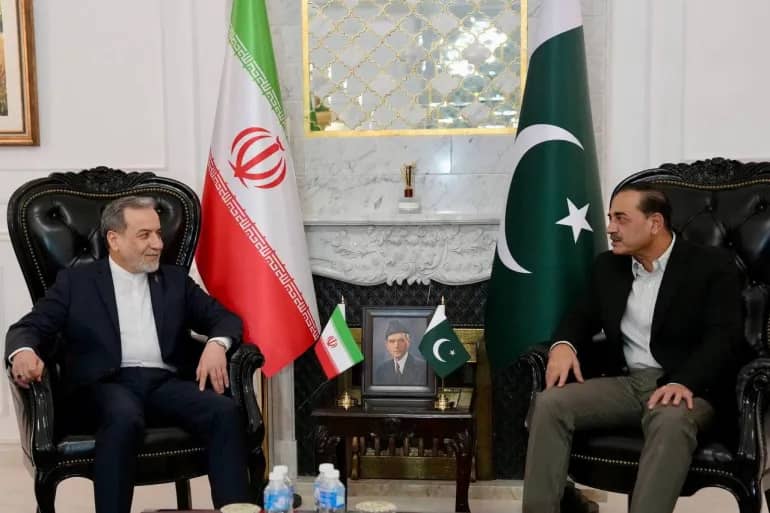
There’s also a diplomatic layer that hasn’t quite held together. A ceasefire remains in place, and talks were expected to take place in Pakistan. But the US has now pulled its negotiators, even as Iran signalled it was open to a framework for ending the conflict — provided blockades are lifted. That leaves the situation suspended: not escalating, but not resolving either.
And that uncertainty is enough to keep markets on edge. During that distraction, Israeli forces are killing Palestinians and Lebanese, whilst the world monitors oil prices.
Back in the UK, the effect shows up in small decisions. Motorists filling up early. Costs edging higher. Retail figures lifted not by confidence, but by timing. It doesn’t feel dramatic — but it adds up.
There’s a political edge to it as well. The UK and most European allies have stayed out of the conflict, reflecting concerns over its legal basis. But at home, that position is being challenged. Right-leaning parties aligned more closely with Trump’s stance have stepped up criticism of the government, arguing for a harder line — a shift in tone that comes just as local elections approach.
That timing isn’t accidental.
Because the same pressures that are pushing up costs are also shaping the political argument around them — who is responsible, who is strong, and who is not doing enough.
And that’s how it travels.
From a conflict overseas, to a disrupted shipping route, to oil markets, to currencies, to fuel prices — and eventually into what people pay, and what they’re told to believe about why.
The situation doesn’t need to escalate further to have an effect.
It just needs to stay unresolved.













Great article! This really puts things into perspective. I appreciate the thorough research and balanced viewpoint.
Interesting read, though I think there are some points that could have been explored further. Would love to see a follow-up on this topic.
Thanks for sharing this! I had no idea about some of these details. Definitely bookmarking this for future reference.
Well written and informative. The examples provided really help illustrate the main points effectively.
This is exactly what I was looking for! Clear, concise, and very helpful. Keep up the excellent work!