


Media Lens: NATO Allies’ Reluctance to Support U.S. Coalition in Hormuz Strait
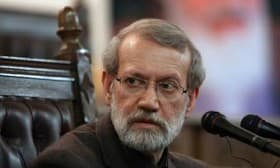
Iran has confirmed the death of its security chief, Ali Larijani. This news comes amidst a growing crisis in the Middle East.
Quick links:
What has happened |
Confirmed details |
What remains unclear |
One story, four angles |
What’s missing |
Related links
What has happened
Iran has confirmed the death of its security chief, Ali Larijani. This announcement has heightened tensions in the region and follows several incidents, including a series of clashes involving Iranian forces. Larijani was a significant figure in Iranian politics, and his passing is expected to have implications for the country’s security strategy.
In a related development, US President Donald Trump expressed frustration over his inability to secure support from European allies for actions related to Iran. Reports indicated that most NATO members rejected a US-led coalition aimed at securing the strategic Strait of Hormuz. This rejection reflects ongoing diplomatic strains between the US and its European allies regarding intervention in the region.
Confirmed details
- Iran’s security chief Ali Larijani has been confirmed dead.
- The announcement of Larijani’s death was made by Iranian authorities.
- Reports indicate that his death may be linked to the ongoing tensions in the Middle East.
- Larijani had previously played a significant role in Iran’s security and political landscape.
- The announcement comes amid heightened military activities in the region.
- Iranian officials have vowed to respond to the circumstances surrounding his death.
- Larijani’s death has implications for the future of Iran’s foreign policy and internal security strategies.
What remains unclear
- The exact reasons for the NATO members’ rejection of the U.S.-led coalition in the Strait of Hormuz.
- The impact of Ali Larijani’s death on the overall political situation in Iran.
- The specifics of any agreements or negotiations that may have occurred between Trump and European allies regarding Iran.
- Details about the reactions from key NATO members regarding the situation in the Strait of Hormuz.
- The implications of the Middle East crisis on global oil prices.
One story, four angles
The Guardian – Middle East crisis live: Iran confirms security chief Ali Larijani has been killed
Publication: The Guardian | Primary framing pattern: Conflict-led | Tone register: Urgent | Intensity level: High (8/10) | Sentiment: -0.6 | Legal precision: High
Expand
Espresso Shot:
The Guardian’s live coverage highlights the escalating tensions in the Middle East, prompted by the assassination of Iran’s security chief. This framing portrays a volatile political landscape, raising concerns over regional stability.
Quote unavailable (paywall/limited preview).
Framing analysis:
The article’s focus on the assassination reflects conflict dynamics, emphasising the potential for further violence in an already unstable region.
Bias:
Selection: Emphasis on violence and terrorism.
Language: Descriptive of chaos and instability.
Omission: Broader geopolitical implications are not explored.
Assessment:
The framing is highly conflict-oriented, underscoring immediate threats without extensive context.
The New York Times – Why Won’t Europe Help Trump in Iran? Let’s Count the Reasons.
Publication: The New York Times | Primary framing pattern: Diplomacy-led | Tone register: Analytical | Intensity level: Medium (5/10) | Sentiment: 0.2 | Legal precision: Medium
Expand
Espresso Shot:
The New York Times examines the reasons behind Europe’s reluctance to engage in U.S. strategy regarding Iran. This piece frames the issue through a lens of diplomatic failure and strategic divergence, highlighting rifts in international relations.
Quote unavailable (paywall/limited preview).
Framing analysis:
The analytical nature of the article presents a diplomatic perspective, focusing on the failures of U.S. foreign policy and the contrasting positions of European countries.
Bias:
Selection: Focus on diplomatic relations and their complexities.
Language: Appears measured and critical of U.S. tactics.
Omission: Misses broader historical context influencing current relations.
Assessment:
The framing leans towards highlighting diplomatic failures, offering insights into the complexities of international relations.
CNN – Trump lashes out after he fails to convince European allies to help in war with Iran
Publication: CNN | Primary framing pattern: Conflict-led | Tone register: Critical | Intensity level: Medium (4/10) | Sentiment: -0.4 | Legal precision: Medium
Expand
Espresso Shot:
CNN’s coverage centres on President Trump’s frustration with European allies regarding military support in Iran. The framing accentuates conflict dynamics, underlining strained transatlantic relations amidst geopolitical tensions.
Quote unavailable (paywall/limited preview).
Framing analysis:
The article’s focus on Trump’s emotional response reflects the conflict aspects of diplomatic relations, encapsulating a narrative of disarray within U.S. foreign policy.
Bias:
Selection: Focus on Trump’s actions and reactions.
Language: Emotional and critical of U.S. leadership.
Omission: Lacks context on European perspectives and motivations.
Assessment:
The framing largely emphasises conflict and diplomatic struggle, spotlighting the tensions in U.S.-European relations without broader implications.
Axios – Most NATO members reject U.S.-led Hormuz Strait coalition, Trump says
Publication: Axios | Primary framing pattern: Diplomacy-led | Tone register: Neutral | Intensity level: Medium (5/10) | Sentiment: 0.1 | Legal precision: Medium
Expand
Espresso Shot:
Axios reports on NATO members’ reluctance to join a U.S.-led coalition in the Strait of Hormuz, framing the situation within a diplomatic context. This highlights a significant divide among allies regarding military engagement.
Quote unavailable (paywall/limited preview).
Framing analysis:
The piece frames the rejection by NATO members as a diplomatic issue, exploring the implications for future alliances and military strategy under U.S. leadership.
Bias:
Selection: Highlights divisions among NATO members.
Language: Generally neutral, presenting facts without strong bias.
Omission: Limited exploration of underlying reasons for NATO’s hesitance.
Assessment:
The framing effectively highlights diplomatic rifts while remaining largely neutral in presentation.
What’s missing across coverage
- Lack of analysis on the geopolitical implications of Iran’s actions in the context of U.S.-Iran relations.
- Insufficient exploration of the historical background relating to the Strait of Hormuz and its significance in global trade.
- Absence of public opinion data or reactions from European allies regarding their stance on U.S. military actions in Iran.
- Missing expert commentary or insights from political analysts on potential outcomes of the ongoing tensions in the region.
The framing of recent headlines presents contrasting narratives around the tensions in the Strait of Hormuz. The Guardian focuses on the geopolitical implications of Iran’s security chief’s death, highlighting potential escalations in regional conflict, signalling strong diplomatic repercussions. In contrast, CNN portrays President Trump’s frustration over European allies’ rejection of military support, suggesting a more personal and immediate political struggle, increasing market anxiety regarding US foreign policy reliability. Axios emphasizes NATO members’ dissent against US-led initiatives, foreboding diplomatic isolation, which may attract legal scrutiny regarding international coalitions. The New York Times, with its analytical tone, raises questions about the implications of European hesitance, offering material for critics of US leadership. Overall, these divergent frames reflect varying degrees of urgency and perspective on potential consequences of the unfolding situation. The facts do not change. What changes is where scrutiny lands.
Related links
The Guardian
Middle East crisis live: Iran confirms security chief Ali Larijani has been killed
The New York Times
Why Won’t Europe Help Trump in Iran? Let’s Count the Reasons.
CNN
Trump lashes out after he fails to convince European allies to help in war with Iran
Axios
Most NATO members reject U.S.-led Hormuz Strait coalition, Trump says







Great article! This really puts things into perspective. I appreciate the thorough research and balanced viewpoint.
Interesting read, though I think there are some points that could have been explored further. Would love to see a follow-up on this topic.
Thanks for sharing this! I had no idea about some of these details. Definitely bookmarking this for future reference.
Well written and informative. The examples provided really help illustrate the main points effectively.
This is exactly what I was looking for! Clear, concise, and very helpful. Keep up the excellent work!