

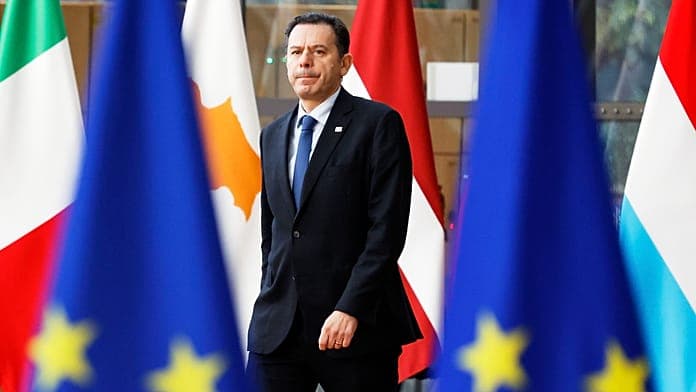
Luís Montenegro announces new economic support measures for Portugal
Luís Montenegro announced new support measures for struggling sectors, including fuel for professionals and housing, totaling around 150 million euros a month.
Portugal’s measures comprise approximately 150 million euros per month in fuel-related support, aiming to alleviate economic strain while maintaining public financial stability.
“Portugal is an economic and financial benchmark in Europe, in the Champions League of Europe’s economic and financial stability,” said Prime Minister Luís Montenegro.
Key developments
Prime Minister Luís Montenegro announced comprehensive support measures to address the crises affecting the fuel and housing sectors, underscoring the government’s intent to assist citizens amid rising costs.
The measures include extraordinary aid for agriculture, forestry, and fisheries, with an additional 10 cents per litre on dyed diesel, applicable when prices exceed past levels during the week of 2 to 6 March.
Montenegro highlighted cabinet decisions aimed at reforming the housing market, including capital gains tax exemptions for homes sold to finance moderate-rent properties, to enhance supply and affordability.
Portuguese government announces more fuel discounts and housing tax incentives
Published on
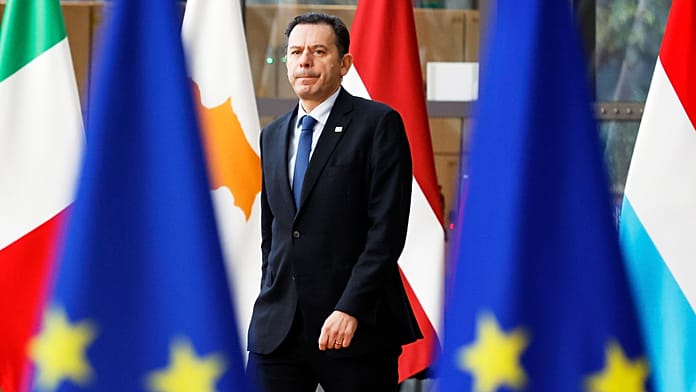
After the Council of Ministers meeting he chaired, Luís Montenegro addressed the country to announce measures targeting sectors in crisis, such as fuel for professional use and housing.
The Portuguese prime minister appeared proud, saying that Portugal is “an economic and financial benchmark in Europe” and that it is therefore “in the Champions League of Europe’s economic and financial stability”.
Montenegro went on to announce new measures, this time aimed at the professional sector, with the long-awaited VAT cut left off the table.
Extraordinary support was also announced for the agriculture, forestry and fisheries sectors, to be paid through IFAP (Instituto de Financiamento da Agricultura e Pescas, I.P.), also “amounting to an additional 10 cents per litre on dyed diesel”, he continued.
Montenegro clarified that these two forms of support will apply in weeks when the average price is more than 10 cents above the level recorded in the week of 2 to 6 March, that is, before the first increase.
It was also decided to grant extraordinary support to volunteer firefighters’ associations, taxi companies and private social solidarity institutions.
In total, the measures envisaged amount to around 150 million euros a month in fuel-related support.
Luís Montenegro stressed that the government aims to soften the impact on the lives of the Portuguese people while preserving the State’s financial capacity to intervene and adjust individual measures. “Not to unbalance the public accounts so that we do not throw away our collective effort of years,” he said.
Housing sector
The Council of Ministers also approved other structural, strategic instruments for transformation and reform.
And also “exemption from capital gains tax on the sale of homes when the proceeds are used to buy housing to be let at moderate rents,” he continued.
The government believes that, in the medium term, these measures can increase supply on both the rental and ownership markets and thus help to moderate prices.
The aim of this measure is to have clearer rules, “more predictable procedures and shorter, more agile timeframes”, in other words “less time means more homes available to the Portuguese, lower costs for those who build and, with that, better prospects for those who buy or rent,” he said.










Great article! This really puts things into perspective. I appreciate the thorough research and balanced viewpoint.
Interesting read, though I think there are some points that could have been explored further. Would love to see a follow-up on this topic.
Thanks for sharing this! I had no idea about some of these details. Definitely bookmarking this for future reference.
Well written and informative. The examples provided really help illustrate the main points effectively.
This is exactly what I was looking for! Clear, concise, and very helpful. Keep up the excellent work!