


Get you up to speed: It won’t be Trump who kills the ICC
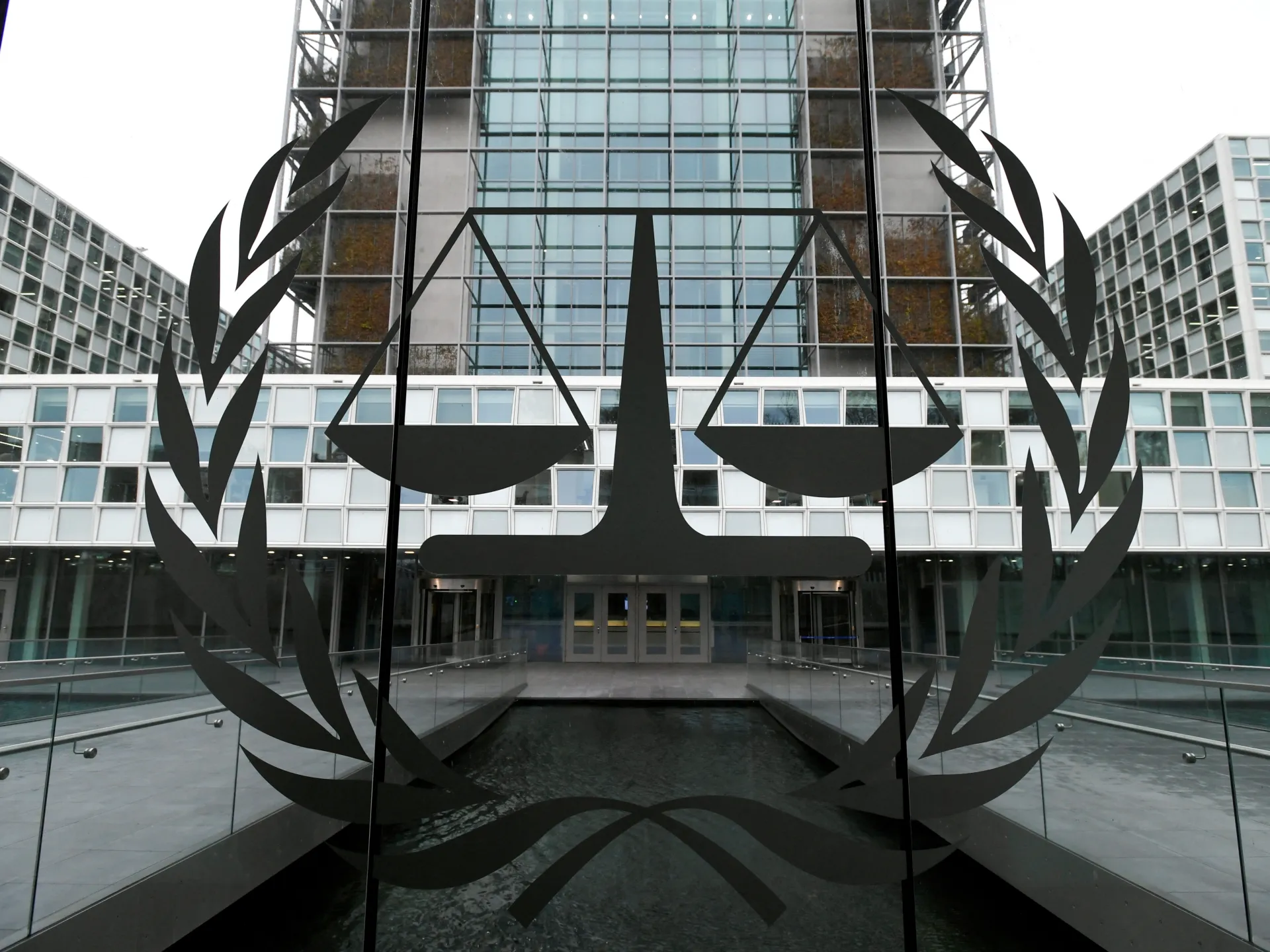
The United States is intensifying its campaign against the International Criminal Court (ICC), threatening sanctions and efforts to dismantle the institution. The situation has raised concerns among ICC member states, who are urged to take action in response to escalating US pressure.
The International Criminal Court (ICC) is currently facing a significant threat from the United States, exacerbated by recent sanctions against its staff and calls for dismantlement by officials such as Secretary of State Marco Rubio. Member states are urged to bolster support through greater cooperation, financial backing, and a campaign to encourage new members to join, particularly in light of recent withdrawals by Venezuela and Chad.
The International Criminal Court (ICC) faces significant threats from US sanctions and rhetoric, prompting calls for its member states to bolster support and take tangible actions to defend the institution. Moving forward, officials are urged to increase cooperation with the court, enhance financial backing, and protect personnel sanctioned by the US to ensure its operational viability and legitimacy.
What remains unclear — The extent to which the EU and Canada will eventually act to protect ICC staff from US sanctions remains uncertain.
International Criminal Court’s survival depends on member states’ actions
OPINIONOPINION, Opinion|ICCIt won’t be Trump who kills the ICC
It would be the International Criminal Court’s alleged supporters who refuse to take action to defend it.
The International Criminal Court (ICC) is once again under attack from the United States. The reason behind Washington’s efforts to dismantle the institution is simple: an insistence that the US enjoys wholesale impunity.
In numerous contexts, there are credible allegations of US citizens being involved in international crimes. If the US weren’t exposed to accountability for its atrocities, it wouldn’t be seeking to destroy the court.
Now it’s the time for the ICC’s backers to stand up.
US aggression towards the ICC is nothing new. The US has been seeking to subvert the work of the court since before it was even a fixture of the global arena. Since the presidency of George W Bush, Republicans in particular have been obsessed with the court and its operations. From former national security adviser John Bolton to former Secretary of State Mike Pompeo to now-Secretary of State Marco Rubio, Republican officials have been fixated on the ICC even though it has never actually issued a warrant for any American citizen.
Ironically, the efforts of US officials to condemn the ICC have bestowed prestige and legitimacy upon the institution. To those across the globe who believe that the ICC is feckless in the face of US imperial ambitions, tantrums from successive Republican administrations are a powerful antidote. In a nutshell, the greater Washington’s hysteria over the ICC, the more powerful and persuasive the court appears to those who believe the US is not above the law.
The disdain from political quarters and any commitment to undermine the institution is a feature, not a bug, of international relations – and it always has been. Yet this time feels different. The US sanctions against the ICC’s staff and threats to sanction the court as a whole as well as to dismantle it “brick by brick”, per Rubio, smack of escalation and pose an existential threat to the ICC.
The only thing that can save the court is its members. If they fail to do so, it will not be President Donald Trump who kills the ICC, but their indifference.
The smattering of primarily European and South American expressions of support for the ICC is good. But it is not enough. There are concrete actions that states can take to not only defend the court but also to strengthen it.
First, members of the ICC should double down on cooperating with the court. They should reiterate that they support every situation currently under investigation and they will offer tangible cooperation in terms of evidence and any enforcement of arrest warrants issued by the institution. If they have already done so, they should do it again.
Second, the court’s backers should encourage more states to join the ICC. This is particularly important given the recent withdrawals of Venezuela and Chad from the court – both of which left after being asked to do so by Washington. If the Trump administration is seeking to damage the court by diminishing its membership, states supportive of the institution should respond in kind with a campaign to rally other states to join.
Many states have considered joining the ICC but have not committed to do so. Now is the time to convince them. Lebanon, for example, has toyed with becoming an ICC member state, which would give the court jurisdiction over alleged crimes committed by Israeli officials and Hezbollah commanders.
As it stands, Beirut has decided not to join the court, but states could be clear that they support it doing so. They could, for example, articulate how joining the ICC could offer Lebanon yet another multilateral venue to withstand pressure from external parties like the US and demonstrate to Lebanese civilians that the rule of law matters. More generally, ICC member states could do more to link bilateral and multilateral trade and economic negotiations with efforts to encourage states to join the court.
Third, states should offer additional financial backing to the ICC. Some say the court’s budget is too big for what it has accomplished. For 2026, it was about $210m – almost a fifth of the daily cost the US is paying to carry out the war in Iran. This is for a court that is seeking to hold perpetrators of war crimes, crimes against humanity and genocide accountable in Ukraine, Palestine and Darfur.
Money speaks louder than words. Offering additional and flexible funding to the ICC would be a way to say: This is our court, and we will do whatever is necessary to ensure its operations have the resources they need.
Fourth, states must properly protect ICC staff sanctioned by the US. In August last year, numerous judges at the court were targeted with sanctions for doing nothing more than their part in impartially applying the law to hold perpetrators of atrocities accountable. As a result, they can’t use banks, book hotels or pay for a meal with their credit cards.
The European Union and Canada each have laws on their books that could block the impact of US sanctions on judges. Yet inexplicably, the EU has not invoked its Blocking Statute, and Canada has refused to invoke the Foreign Extraterritorial Measures Act, leaving their citizens working at the ICC to twist in the wind.
Additionally and inexplicably, neither the EU nor Canada has backed the legal suit by some of the judges to challenge the sanctions in US courts.
Trying to get the US under Trump to stop attacking the ICC is like trying to nail pudding to the wall: It’s not going to happen. But that does not justify the dithering of the court’s purported supporters.
The US assault against the court is calculated to silence ICC supporters and isolate them from the institution. Why? Because the US knows its siege on the court cannot alone ruin the institution. To succeed, it needs others to abandon the ICC.
Instead, states should take the opportunity offered by these unprecedented times to back the ICC in unprecedented ways. However imperfect it is, the court is the only permanent institution capable of holding the world’s worst perpetrators of war crimes, crimes against humanity and genocide to account.
For its flaws, the court should be reformed, not destroyed to allow those very perpetrators off the hook. Maintaining support for the ICC in the face of Trump’s attacks is about more than protecting the court – it’s about drawing a line and pronouncing that no one, no matter how powerful, is above the law.
The views expressed in this article are the author’s own and do not necessarily reflect WTX News’s editorial stance.










Great article! This really puts things into perspective. I appreciate the thorough research and balanced viewpoint.
Interesting read, though I think there are some points that could have been explored further. Would love to see a follow-up on this topic.
Thanks for sharing this! I had no idea about some of these details. Definitely bookmarking this for future reference.
Well written and informative. The examples provided really help illustrate the main points effectively.
This is exactly what I was looking for! Clear, concise, and very helpful. Keep up the excellent work!