

EU ministers propose windfall tax on oil profits amid rising fuel prices
Brent crude oil has reached $100 per barrel, up from $70 prior to military attacks against Iran on February 28, causing supply shortages in global markets.
Brent crude oil prices have surged to $100 per barrel, indicating significant market instability due to heightened demand and supply shortages from geopolitical tensions.
“Fiscal policy has a clear role in redistributing those gains. Windfall taxes are a no-brainer,” stated Hans Stegemen, chief economist at the Triodos Bank.
Key developments
Brent crude oil has surged to $100 per barrel, increasing from $70 prior to recent military actions by the United States and Israel against Iran. This escalation, coupled with the effective closure of the Strait of Hormuz, poses significant risks to global oil supply and prices.
Five European ministers have urged the European Commission to create an EU-wide contributory instrument to tax excess profits made by large multinational oil companies. They cited the previous solidarity contribution from 2022 as a model for this initiative.
Five EU ministers call for new windfall tax on energy profits amid price surge

The plea comes as Brent crude oil has reached $100 per barrel, up from the $70 before the United States and Israel launched military attacks against Iran on February 28. With the effective closure of the Strait of Hormuz, global oil markets face increased demand and a sudden supply shortage, which further threatens price volatility.
‘EU-wide contributory instrument’ needed
In the letter to Commission Hoekstra, the ministers advocate reviving and boosting a mechanism similar to the EU’s 2022 “solidarity contribution,” which taxed roughly €28 billion on excess fossil fuel profits during the post-Ukraine war price spike, according to figures the Commission revealed.
This time, the ministers argue the system should be applied across the whole EU, built on a stronger legal footing and better targeted at large multinational oil firms — including profits made abroad.
“Given the current market distortions and fiscal constraints, the European Commission should swiftly develop an EU-wide contributory instrument, based on a solid legal basis,” the five ministers argue.
“It is important to ensure that this burden is distributed fairly. Such a European solution would act as a signal to citizens and the economy, showing that we are united and able to act”, the ministers added.
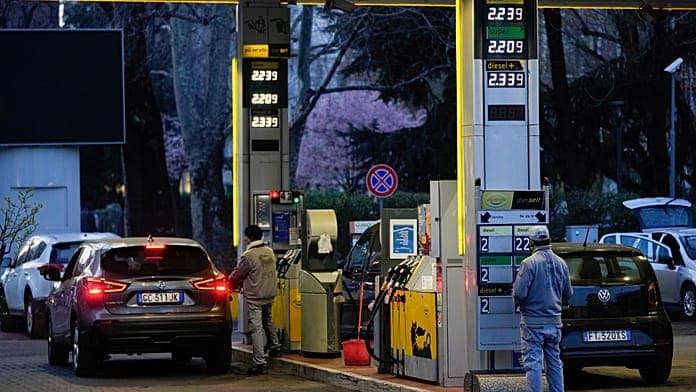
Fuel prices have risen dramatically across Europe due to the war, with Germany, Italy and Spain amongst the most affected countries.
Hans Stegemen, chief economist at the Triodos Bank, said windfall taxes are “a no-brainer” when a crisis generates large windfall profits for fossil fuel producers at the direct expense of households and importing economies.
“Fiscal policy has a clear role in redistributing those gains. Windfall taxes are a no-brainer,” said Stegemen.
Video editor • Lucy Davalou








Great article! This really puts things into perspective. I appreciate the thorough research and balanced viewpoint.
Interesting read, though I think there are some points that could have been explored further. Would love to see a follow-up on this topic.
Thanks for sharing this! I had no idea about some of these details. Definitely bookmarking this for future reference.
Well written and informative. The examples provided really help illustrate the main points effectively.
This is exactly what I was looking for! Clear, concise, and very helpful. Keep up the excellent work!