

EU calls for coordinated energy measures amid rising prices and conflict
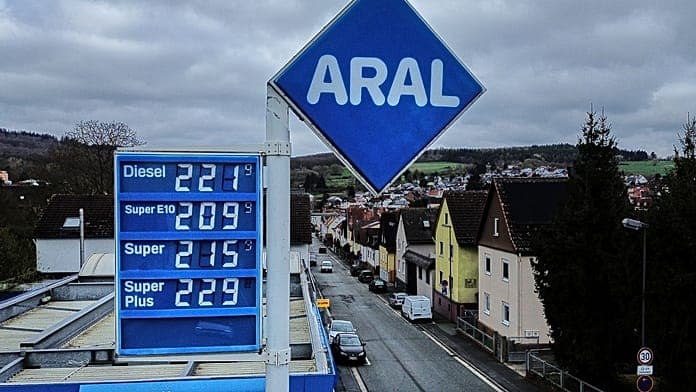
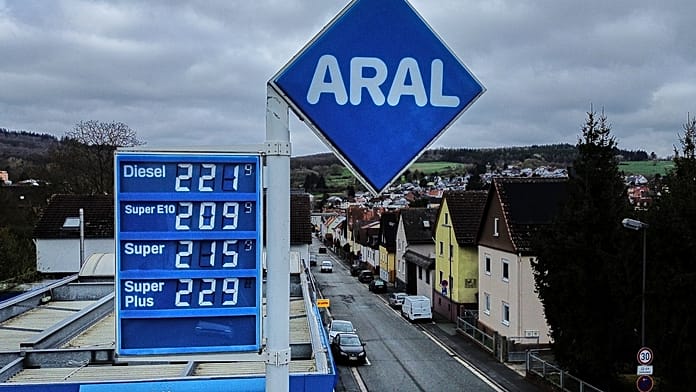
Brent crude has exceeded $100 a barrel due to the conflict’s impact, particularly the closure of the Strait of Hormuz and attacks on energy infrastructure.
EU officials assert that increased domestic clean energy production and stronger infrastructure provide the bloc with better preparedness compared to the energy crisis triggered by Russia’s invasion of Ukraine in 2022.
“Europe’s energy transition is a strategic objective, and no short-term crisis will divert us from it,” stated Economy Commissioner Valdis Dombrovskis.
Key developments
Economy Commissioner Valdis Dombrovskis confirmed rising Brent crude prices above $100 a barrel, warning that escalating tensions from the Iran conflict could lead to further energy shocks across Europe.
EU officials highlighted increased domestic clean energy production as evidence of improved readiness compared to the 2022 energy crisis, though they remain cautious amid ongoing uncertainty related to the conflict’s duration.
The European Commission is set to propose measures to reduce electricity tax rates and modernise the EU’s carbon market to mitigate market volatility as price pressures continue.
EU ministers weigh oil price cap and windfall tax to rein in soaring energy costs
Published on •Updated
Analysts warn that further price spikes could echo the 2022 energy crisis.
EU officials insist the bloc is better prepared than in 2022, when Russia’s invasion of Ukraine triggered severe energy shortages. They point to increased domestic clean energy production and stronger infrastructure.
However, uncertainty remains high due to the unpredictable duration of the conflict. Officials also warn that the EU’s “financial manoeuvring room is more limited than before,” as defence spending has increased.
Despite efforts to diversify supplies since 2022, Europe remains exposed to global shocks and must be ready for renewed volatility, even if the situation falls short of a full-scale crisis, officials said.
Speaking after a ministerial meeting in Brussels on Friday, Economy Commissioner Valdis Dombrovskis said the “scale, severity and impact” of the war have intensified over the past two weeks.
He cited the closure of the Strait of Hormuz and attacks on energy infrastructure, which have pushed Brent crude above $100 a barrel and driven up natural gas prices.
“The key issue is the duration and intensity of the crisis, as these will determine the scale of the energy shock (…) Our shared hope is for de-escalation and avoiding major disruption to energy infrastructure,” Eurogroup President Kyriakos Mihrakakis said.
Pierre Gramegna, managing director of the European Stability Mechanism, warned that “even if the conflict were to end tomorrow, the consequences would remain with us for a long time.”
EU’s ‘toolbox’ under discussion to tackle rising prices
As the long-term impact of the Iran conflict is assessed, the Commission is urging member states to accelerate the shift to clean energy. Spain and Portugal are cited as examples due to their lower exposure to price volatility linked to renewables.
“Europe’s energy transition is a strategic objective, and no short-term crisis will divert us from it,” Dombrovskis said.
The Commission is also calling on member states to curb gas and oil demand, echoing an IEA warning issued on 20 March, a day after EU leaders announced “targeted and temporary” measures to ease energy prices.
Brussels has stressed such measures should remain short-term and affordable to avoid long-term fiscal strain.
The note also recommends targeted support for households and businesses most affected, rather than broad subsidies that risk distorting markets and stretching public finances.
To avoid a repeat of fragmented national responses seen in previous crises, the Commission is pushing for EU-level coordination, financed through existing tools such as carbon market revenues or windfall taxes rather than new borrowing.
In the coming weeks, the Commission is expected to propose lower tax rates on electricity and measures to ensure it is taxed less heavily than fossil fuels. It will also outline plans to modernise the EU’s carbon market, including updates to free allocation benchmarks and a stronger Market Stability Reserve to limit price volatility.











Great article! This really puts things into perspective. I appreciate the thorough research and balanced viewpoint.
Interesting read, though I think there are some points that could have been explored further. Would love to see a follow-up on this topic.
Thanks for sharing this! I had no idea about some of these details. Definitely bookmarking this for future reference.
Well written and informative. The examples provided really help illustrate the main points effectively.
This is exactly what I was looking for! Clear, concise, and very helpful. Keep up the excellent work!