

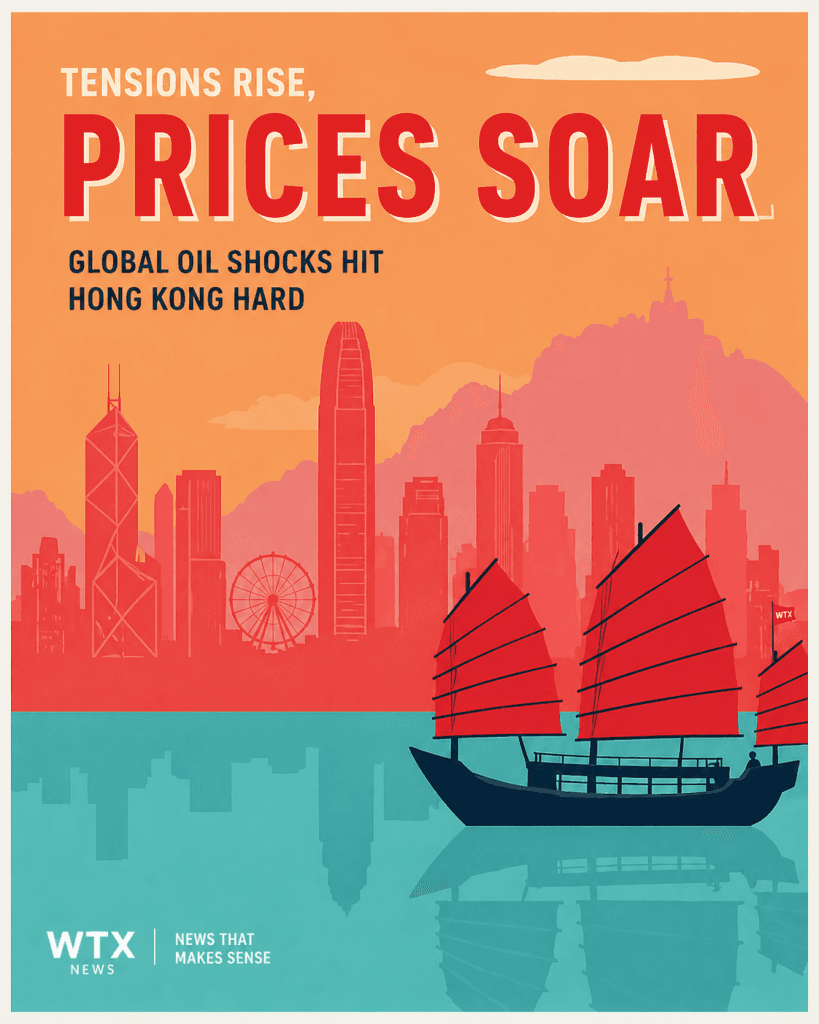
The world’s big stories this week are all about routes: shipping routes, diplomatic routes, military routes and the increasingly narrow path between alliance and self-interest.
Iran says it could reopen the Strait of Hormuz if the US lifts its blockade of Iranian ports, but that offer comes with a catch: Tehran wants nuclear talks pushed back. Washington is unlikely to accept that, which means the route that matters most to energy markets remains trapped between war, diplomacy and leverage.
Elsewhere, King Charles is in Washington trying to speak the language of renewal, North Korea is turning its dead soldiers in Russia into a symbol of loyalty, and Mali is facing a sharp militant offensive. Even the weather has its own unsettled map: Washington faces showers and storms, Islamabad is piping hot, ad that’s not just because of teh weather, Tehran looks dry and warm, Bamako is dangerously hot, and Tokyo has rain risks later in the week.
Iran offers to reopen the Strait if the US lifts its blockade, but nuclear demands remain unresolved.
King Charles visits Washington as UK-US ties face strain over Iran, Nato and wider security questions.
Al Qaeda-linked militants claim major gains after coordinated attacks and the killing of Mali’s defence minister.
The Headlines
Iran offers Hormuz deal with conditions
Tehran has offered to end its chokehold on the Strait of Hormuz if the US lifts its blockade of Iranian ports. The proposal would delay talks on Iran’s nuclear programme until after those conditions are met.
Trump resists separating Hormuz from nuclear talks
Donald Trump is unlikely to accept Iran’s offer without limits on uranium enrichment. The White House says any deal must prevent Iran from developing a nuclear weapon.
King Charles arrives in Washington
King Charles and Queen Camilla have arrived in Washington for the first British royal state visit to the US since 2007. The King will address Congress and is expected to focus on shared history and the UK-US relationship, But the US has only the scope for one special relation and that is with Israel.
North Korea deepens its Russia bond
North Korea has opened a memorial museum for soldiers killed fighting for Russia in Ukraine. Pyongyang has supplied Moscow with weapons and deployed troops since the war began.
Mali suffers major militant offensive
Al Qaeda-linked militants killed Mali’s defence minister during coordinated attacks. The violence included drones, car bombs and claims of control over towns including Mopti and Kidal.
Featured
How Hormuz became the bargaining chip in the Iran war
The Strait of Hormuz is not just a shipping lane in this conflict. It has become the bargaining chip.
Iran is offering to reopen the route if the United States lifts its blockade of Iranian ports. On paper, that sounds like a trade: access for access. But the harder part sits underneath. Tehran wants nuclear talks delayed until after the shipping and blockade issues are resolved, while Washington wants any deal to include limits on Iran’s nuclear programme.
That is why the proposal is unlikely to move quickly. Trump has said the blockade will remain until a deal is complete, and the White House is still framing the issue around preventing Iran from obtaining a nuclear weapon. Iran says its nuclear programme is civilian and that it does not intend to build a weapon.
The result is a ceasefire without settlement. Ships, oil, ports and nuclear talks are now tangled together. Markets do not need the talks to collapse entirely to react; they only need enough doubt that the route may stay unstable. That is how a diplomatic gap becomes an economic one.
Diplomacy the British way
King Charles’s Washington visit arrives at a delicate moment. Officially, it is about shared history and the special relationship. Politically, it sits against tensions over Iran, Nato, Aukus and the broader question of how far Britain aligns with Washington when US policy becomes more assertive.
Pakistan and Oman are also central to the Iran track. Iranian foreign minister Abbas Araghchi has visited both, while Tehran is trying to build regional support for a mechanism that would let it collect tolls from vessels using Hormuz.
Russia is using a different form of diplomacy. Putin praised Iranian resistance and pledged to do “everything” possible to bring peace to the Middle East, while North Korea is publicly memorialising its soldiers killed fighting for Russia.
The Markets and Economy
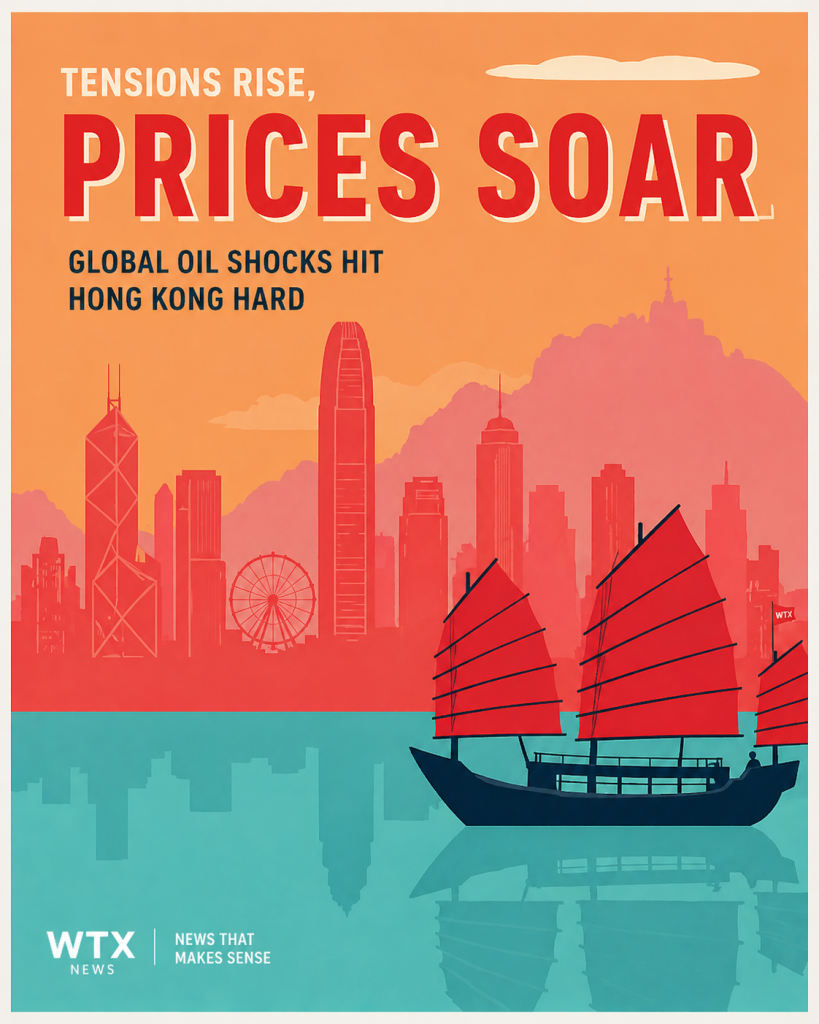
The Iran war continues to move through global markets. The Bank of Japan has held rates while raising its inflation forecast, warning that growth and corporate profits are likely to slow. CATL, the world’s largest battery maker, is raising $5bn as foreign investor interest in renewable energy has surged since the outbreak of the war.
Energy disruption is also reaching infrastructure. Road-builders are warning about a bitumen shortage as asphalt costs hit projects in India, South Korea, Italy and Australia. Airlines are using the jet fuel crisis to argue against passenger perks, saying extra baggage allowances would make rising costs harder to absorb.
Social dilemmas – play the blame game
Mali is the clearest security shock. The killing of defence minister Sadio Camara and the breadth of the coordinated attacks point to a serious blow against the military government. The militants’ use of drones, car bombs and simultaneous assaults shows a level of organisation that will alarm other governments across the Sahel.
Sri Lanka offers a stranger but still serious story: 22 monks were arrested at Colombo airport after officials found 110kg of cannabis in their luggage. In the US, the attempted assassination case following the White House correspondents’ dinner has reopened questions about event security and political violence, as President Trump is weaponising the event to get his ballroom kitted out.
What to watch
- Kosovo’s deadline to elect a new president or face snap elections.
- EU-Asean (The Association of Southeast Asian Nations) ministerial talks in Brunei.
- Ursula von der Leyen hosting Hungary’s prime minister-elect Peter Magyar.
- G7 development ministers meeting in France.
- EU-Mercosur trade deal taking effect on Friday.
- Ukraine’s martial law extension expiring on Monday.
Espresso Shot
If you step back, this is a week about leverage.
Iran is using Hormuz because it is one of the few pressure points that can force global attention quickly. The US is using its blockade because it wants shipping access and nuclear limits tied together. Neither side is simply negotiating over one issue; both are trying to decide which pressure point has to move first. No-one ever expected Iran to be able to stand up the might of the United States, but this has become a negotiation between a rock and hard place. Russia and China have both said they will support the Iran cause to establish peace in the middle east, further annexing the US position in the Gulf Nations, who could now turn to Pakistan to provide military backup.
The same pattern appears elsewhere. North Korea is turning its role in Russia’s war into a loyalty signal. Russia is using that support to show it is not isolated. Mali’s militants are using coordinated violence to show the state cannot fully hold territory.
The markets are reacting to the political instability. Oil, bitumen, jet fuel, inflation forecasts and shipping routes are all reacting to the same thing: uncertainty over who controls movement. In a global economy, power maybe stated in capitals, but it is executed at ports, pipelines, straits and roads.
Good news – Africa leads the way
At the London Marathon, Kenya’s Sabastian Sawe became the first man to finish an official marathon in under two hours, crossing the line in 1:59:30. Ethiopian runner Tigst Assefa also broke the women-only world record. Some weeks need the reminder that human limits still move.












Great article! This really puts things into perspective. I appreciate the thorough research and balanced viewpoint.
Interesting read, though I think there are some points that could have been explored further. Would love to see a follow-up on this topic.
Thanks for sharing this! I had no idea about some of these details. Definitely bookmarking this for future reference.
Well written and informative. The examples provided really help illustrate the main points effectively.
This is exactly what I was looking for! Clear, concise, and very helpful. Keep up the excellent work!