


What’s the Latest: ‘Where’s the door?’: Accessibility advocate says Saskatoon BRT stations need more work
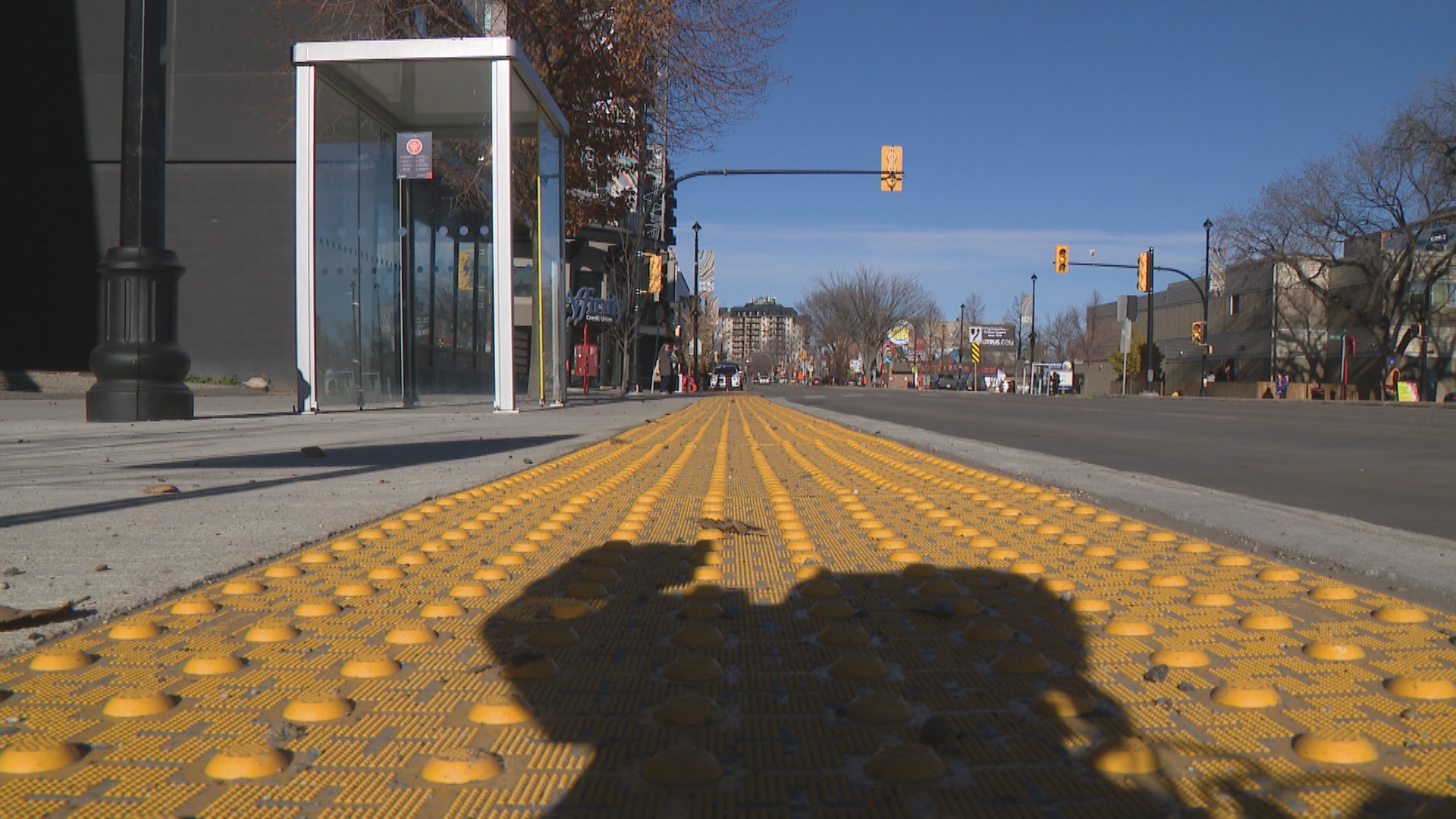
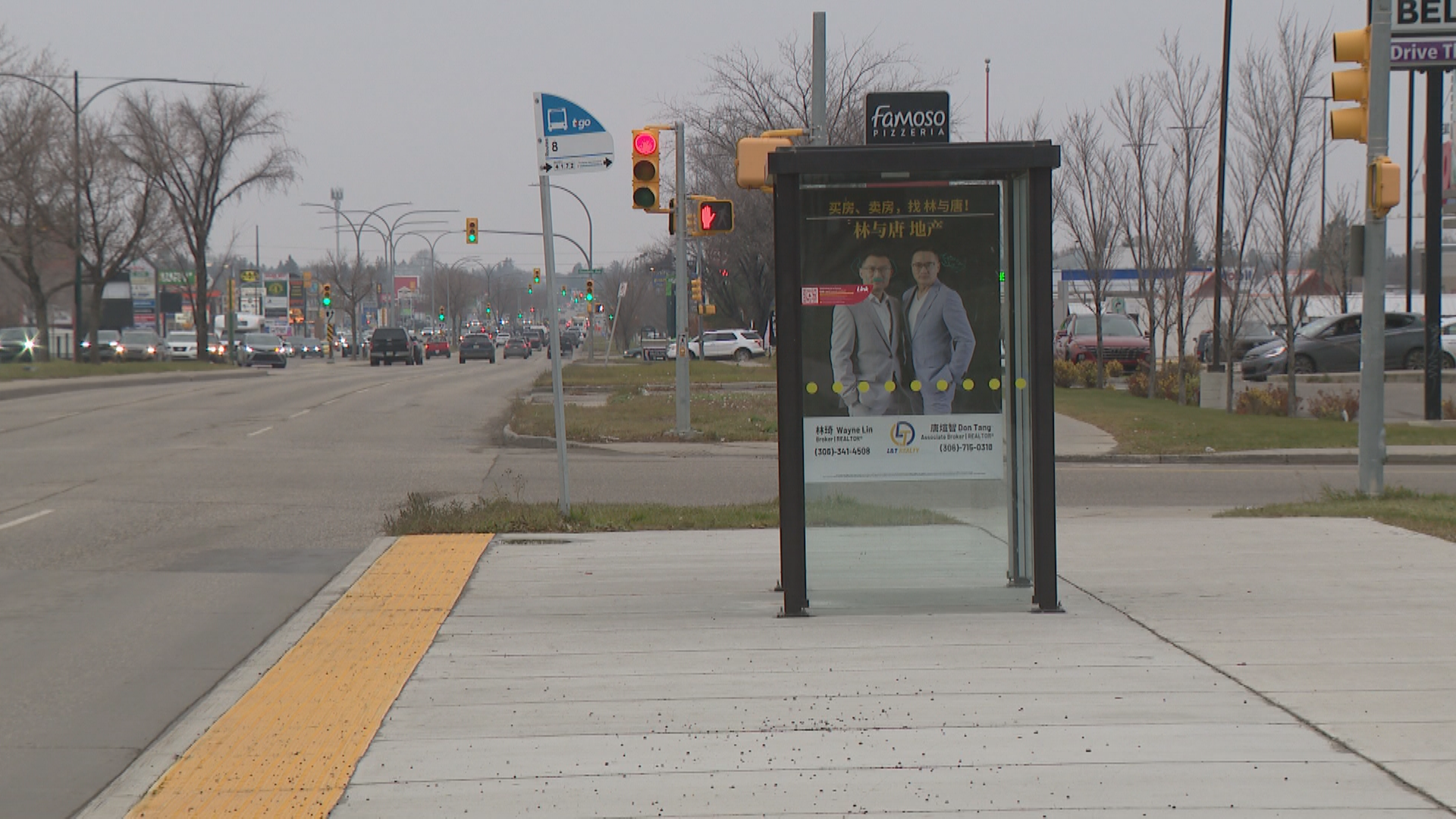
Accessibility advocate Robin East expressed concerns about the new bus rapid transit (BRT) stations in Saskatoon, particularly regarding their design for individuals with disabilities. Issues were highlighted at the Broadway Avenue BRT stops, where East noted missing accessibility features that affect safe navigation and boarding.
Saskatoon’s bus rapid transit system is scheduled to be fully operational by the summer of 2029, with service improvements beginning in January as part of a gradual rollout. The city plans to conduct safety audits during various design phases on the new lanes, which aim to address accessibility and operational traffic needs.
Saskatoon city officials, including director of transportation Jay Magus, stated that extensive accessibility consultations have taken place since the start of the bus rapid transit (BRT) project, with plans for accessibility committee members to review the stations prior to their opening. The city anticipates that the BRT system will be fully operational by summer 2029, with construction on the transit hub commencing in 2028 and service improvements beginning in January.
What remains unclear — It is unspecified how the accessibility concerns raised by advocates will impact the design and construction of the BRT stations planned for First Avenue.
Accessibility advocate calls for improvements at Saskatoon BRT stations
Accessibility concerns are emerging as construction progresses on the new bus rapid transit (BRT) system in Saskatoon. Robin East, a blind bus rider and accessibility advocate, has drawn attention to several issues with the recently completed platforms. “So if I’m standing here and then I hear the bus coming, I’m going to have to figure out when it’s going to stop, but where’s the door?” he stated, highlighting the challenges he faces without proper audio cues or wayfinding for the locations of bus doors and shelters.
East has previously contributed to initiatives that improved accessibility on Saskatoon buses but fears that the new BRT designs reflect a lack of meaningful engagement with the disabled community. He argues that, while the city has made progress, “it hasn’t gone far enough,” stressing the importance of continuous dialogue between municipal planners and those living with disabilities.
Saskatoon’s director of transportation, Jay Magus, defended the city’s approach, stating, “We consulted on accessibility extensively since the BRT project began.” Magus highlighted the establishment of a pilot bus station at the Civic Operations Centre, where feedback was gathered from accessibility advocates. He noted that city designers adhere to the Transportation Association of Canada accessibility standards and integrate best practices from other cities when no specific guidelines exist.
However, Pia Dimayuga, an accessibility specialist, pointed out that adherence to standards does not always ensure functionality for diverse disabilities. She emphasised that meaningful testing with advocates can illuminate issues that guidelines may not address fully. The Canadian National Institute for the Blind (CNIB) echoed this sentiment, noting a desire for increased collaboration as the project evolves. Advocacy lead Muhammed Ali stated, “There hasn’t been too much recent consultation, but we hope to change that as the project continues.”
With the BRT system targeting full operation by July 2029, concerns about accessibility remain at the forefront. The city is expected to begin service improvements in January as part of a gradual roll-out. Despite ongoing discussions, East remains frustrated by the current gaps in accessibility, stating, “There’s a lot of accessibility pieces that are missing.” Meanwhile, Magus assured that adjustments could still be made to station designs as needed, although some elements, like tree placements, are fixed.










Great article! This really puts things into perspective. I appreciate the thorough research and balanced viewpoint.
Interesting read, though I think there are some points that could have been explored further. Would love to see a follow-up on this topic.
Thanks for sharing this! I had no idea about some of these details. Definitely bookmarking this for future reference.
Well written and informative. The examples provided really help illustrate the main points effectively.
This is exactly what I was looking for! Clear, concise, and very helpful. Keep up the excellent work!