

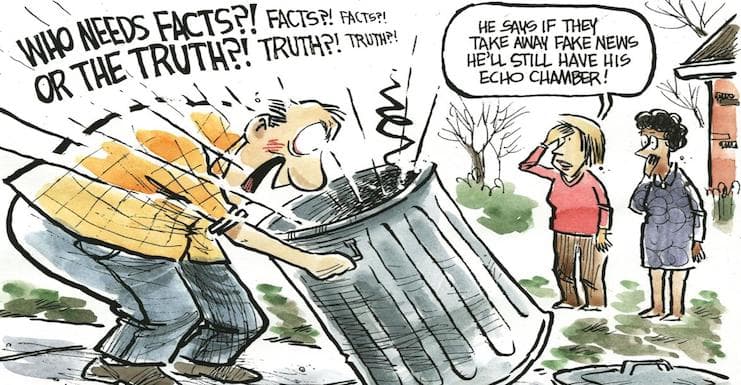
Everyone is biased, we have an in built system called inherit bias, made of our life experiences and in some case how we were raised, — and that’s okay. And that is also true form media networks and there’s no such thing as unbiased news, each institution takes a stance and often panders to a certain type of audience.
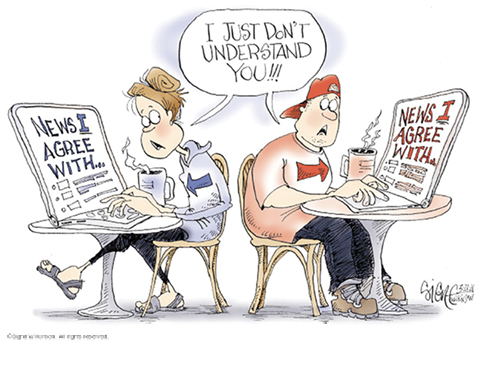
Just because everyone is biased does not mean it should get a pass, these days logic has become so stifled that most people have become tuned to believe a coherent sentence justifies the actions, despite the lack of cohesion or substance.
Obvious or visible bias has almost become acceptable. That’s what make bias dangerous, it has become weaponised in politics and we haven’t even got the more elusive type of bias, institutional character bias; Hidden media bias misleads, manipulates and divides us.
How we measure media bias
It is why we have our media lens; One Story, four angles as part of our news briefing service, to cut through noise and get to the facts of story.
How we assess media sentiment and framing →
Sentiment scores range from -1.0 (strongly negative tone) to +1.0 (strongly positive tone), with 0 indicating neutral reporting. Framing intensity measures emphasis and urgency on a scale of 1–10.







Great article! This really puts things into perspective. I appreciate the thorough research and balanced viewpoint.
Interesting read, though I think there are some points that could have been explored further. Would love to see a follow-up on this topic.
Thanks for sharing this! I had no idea about some of these details. Definitely bookmarking this for future reference.
Well written and informative. The examples provided really help illustrate the main points effectively.
This is exactly what I was looking for! Clear, concise, and very helpful. Keep up the excellent work!