


Get you up to speed: EU Ambassadors Fail to Finalise Russia Sanctions Ahead of Deadline
The European Union‘s new sanctions against Russia remain unresolved after a meeting of ambassadors did not yield a deal on Friday. The sanctions are aimed at increasing pressure on Russia before the deadline of 24 February, the fourth anniversary of the full-scale invasion of Ukraine.
Greece and Malta have expressed concerns about a proposed full ban on maritime services for Russian oil tankers, fearing significant harm to their economies. Their opposition may soften if G7 allies decide to implement similar measures, although there has been no commitment from them yet.
The European Commission indicated that it may proceed without G7 consensus if necessary, although a united front is preferred. High Representative Kaja Kallas stated that the adoption of the 20th sanctions package against Russia is planned for next Monday.
What we know so far
EU countries still at odds over new Russia sanctions as deadline nears
Negotiations on the European Union’s sanctions package against Russia hit an impasse on Friday as ambassadors failed to reach an agreement. The bloc has set a deadline of 24 February for approval, coinciding with the anniversary of Russia’s invasion of Ukraine, but key issues remain unresolved.
A significant point of contention is the proposed full ban on maritime services for Russian oil tankers. According to diplomats, Greece and Malta are particularly concerned about the economic impact this would have on their maritime industries, potentially empowering Russia’s “shadow fleet” while harming their own.
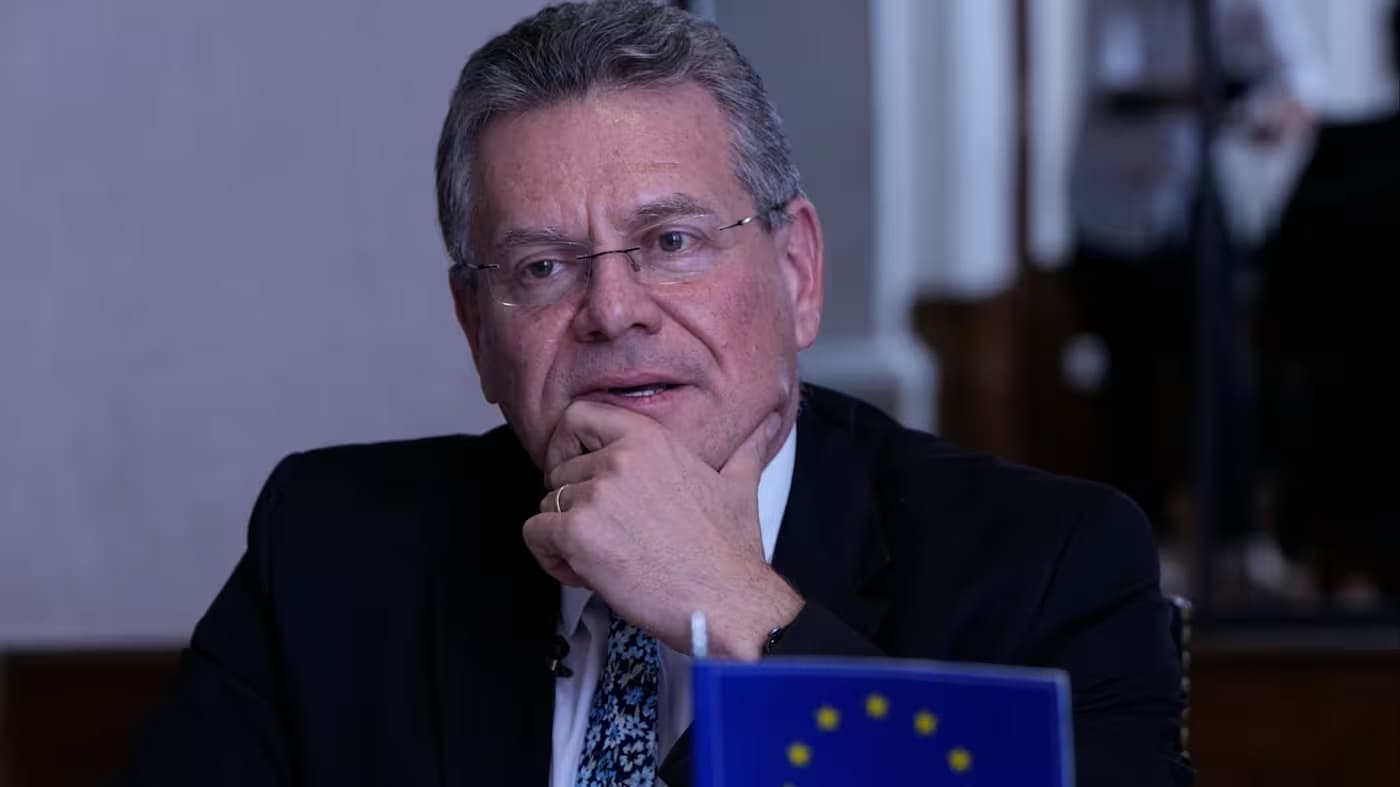
The European Commission has suggested that while G7 consensus would be preferable, it is not essential for the EU to move forward with its sanctions. Economy Commissioner Valdis Dombrovskis stated, “We will not shy away from taking steps at the EU level should the broader agreement not be forthcoming.”
Call for a new sanctions package has gained momentum as High Representative Kaja Kallas asserted that existing sanctions are adversely affecting Russia’s economy. A senior diplomat remarked that there is a strong majority in favour of the ban among EU member states, although final consensus has yet to be achieved.
The absence of further meetings for ambassadors is notable, with Foreign Affairs Ministers expected to gather on Monday to discuss the ongoing situation. The looming sanctions and discussions reflect the urgency among EU nations to apply more pressure on Russia amid its ongoing aggression in Ukraine.







Great article! This really puts things into perspective. I appreciate the thorough research and balanced viewpoint.
Interesting read, though I think there are some points that could have been explored further. Would love to see a follow-up on this topic.
Thanks for sharing this! I had no idea about some of these details. Definitely bookmarking this for future reference.
Well written and informative. The examples provided really help illustrate the main points effectively.
This is exactly what I was looking for! Clear, concise, and very helpful. Keep up the excellent work!