


Get you up to speed: US Apache helicopter crashes near Strait of Hormuz | News World
The US is investigating whether Iran shot down an AH-64 Apache helicopter that crashed during a patrol near the Strait of Hormuz, involving two pilots who were later rescued. Donald Trump confirmed the crew members were “fine” after the incident, which occurred around 3.30am local time on Tuesday.
The US military’s Central Command reported the Apache helicopter crashed at approximately 3.30am local time while on a patrol near Oman. Investigations are underway to determine if the crash was due to hostile action from Iran, amid ongoing tensions following recent US and Israeli military operations in the region.
The US is investigating the circumstances surrounding the crash of an Apache helicopter near the Strait of Hormuz, with President Donald Trump stating that a report will be issued soon and confirming that the crew members are “fine.” Meanwhile, mediators led predominantly by Pakistan continue efforts to secure a deal, as the Iranian parliament speaker expressed opposition to Trump’s recent statements, indicating that they contradict prior agreements.
What remains unclear — The investigation has not disclosed whether Iran was directly involved in the Apache helicopter crash. There is a huge uproar from Congress, who don’t want American lives put on the line for Israelis anymore.
US Apache helicopter crashes near Strait of Hormuz; crew rescued

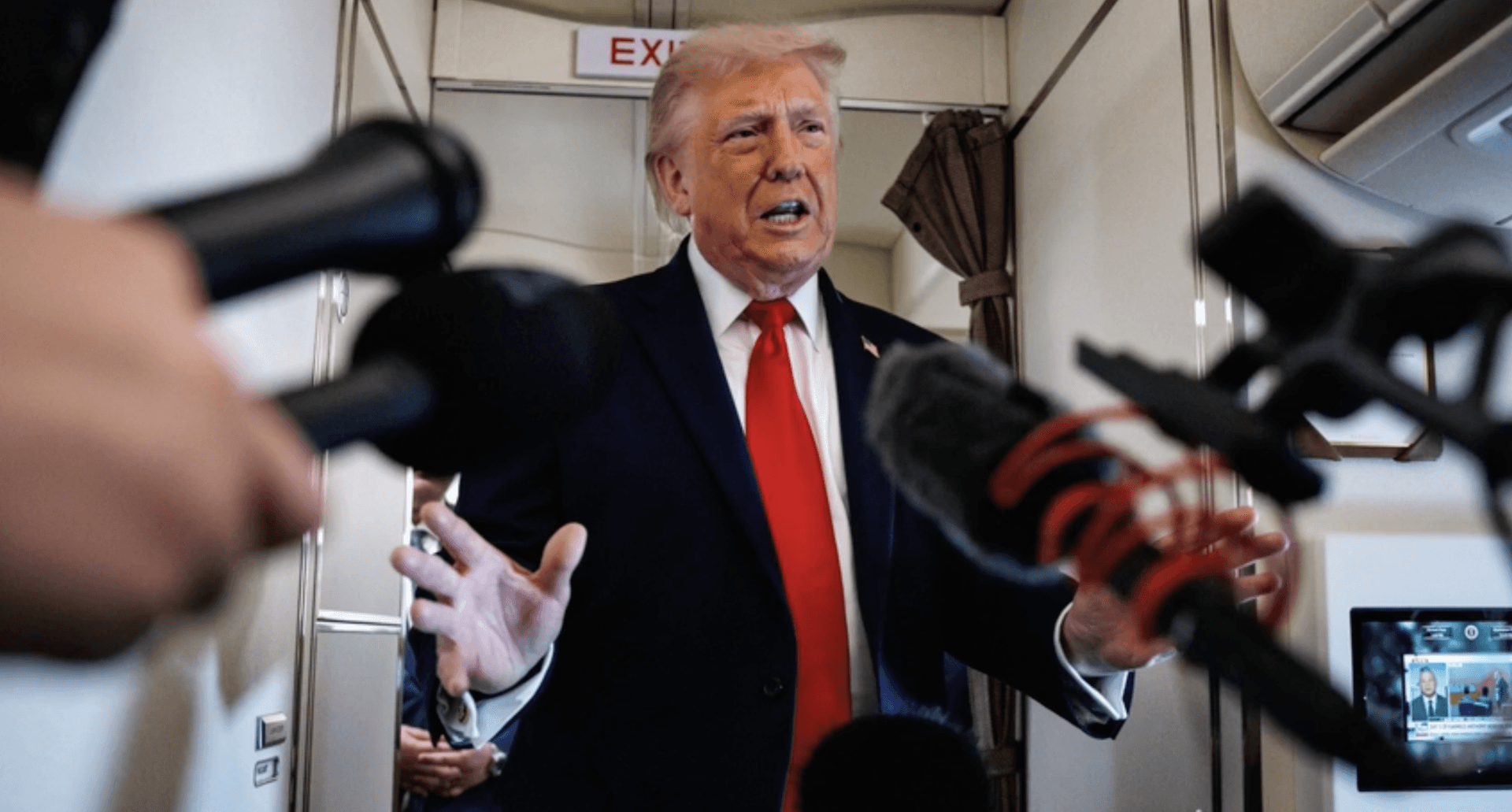
The two crew members were rescued and Trump said they were ‘fine’ (Picture: AFP)
The US is investigating whether Iran shot down an Apache helicopter with two pilots on board after it crashed near the Strait of Hormuz.
Donald Trump vowed to deliver ‘total victory’ within days and said the crew members on board were ‘fine’ after the mysterious crash.
Speaking to journalists after watching the NBA Finals on Monday night, Trump said: ‘We are going to issue a report tomorrow. But the pilots are fine.’
The crash happened while the helicopter was on a patrol off the coast of Oman at about 3.30am local time on Tuesday, the US military’s Central Command said in a later statement.
The Strait of Hormuz remains blocked but could reopen with ‘transit fees’, an Iranian envoy to Moscow has claimed.

The helicopter crashed near the Strait of Hormuz (Picture: Getty)
Sign up for all of the latest stories
The waterway is key to the transportation of oil and has been at the centre of the US’ ongoing conflict with Iran, even after a ceasefire deal was ostensibly reached in April.
Since the US and Israel began their strikes on Iran on February 28, the war has shaken the global economy, driven up energy prices around the world and made many basics, including food, more expensive.
Officials have been unable to turn the April ceasefire into a deal to permanently end the conflict.
Still, Trump has promised a deal more than 37 times, telling reporters today that the US has a good chance of signing a deal in ‘two or three days’.
‘If we go and bomb – which we could do very easily if we want, and we spend another two or three weeks bombing – they’ll have nothing left whatsoever. But you won’t have the Strait open for months.’
Mediators, led predominantly by Pakistan, have been trying for weeks to get a deal across the line.
The US wants to see Iran give up its stockpile of highly enriched uranium, with Trump claiming his administration will ‘help’ the nation to do so.

Vessels have struggled to go through the military blockades in the Strait (Picture: Reuters)
But Iran is refusing to do so and is demanding relief from sanctions. It also wants the release of frozen assets even before a final agreement is in place, something Trump has rejected.
Iranian parliament speaker Mohammad Bagher Qalibaf said on Monday that Trump’s remarks so far on a possible deal ‘contradicted the agreed-upon sections’.
Dr Katayoun Shahandeh from the University of London told WTX that at some point, the world needs to stop treating Trump’s statements as diplomatic breakthroughs and see them for what they are: political theatre.
‘Trump is a master of announcing success before it exists. He has always preferred the optics of deal-making to the slow, difficult work of diplomacy,’ she said.
‘When he says a deal with Iran is close, the question is not simply whether he believes it. The question is, who pays the price when that claim collapses? The answer is, again and again, the Iranian people.’
AH-64 Apache helicopters have been a key asset for the American military as it enforces a blockade on Iranian crude oil shipments and tankers, seeking to pressure Tehran into reaching a deal.
The helicopters have also been used by the United Arab Emirates to shoot down Iranian drones.
Add WTX as a Preferred Source on Google





Great article! This really puts things into perspective. I appreciate the thorough research and balanced viewpoint.
Interesting read, though I think there are some points that could have been explored further. Would love to see a follow-up on this topic.
Thanks for sharing this! I had no idea about some of these details. Definitely bookmarking this for future reference.
Well written and informative. The examples provided really help illustrate the main points effectively.
This is exactly what I was looking for! Clear, concise, and very helpful. Keep up the excellent work!