

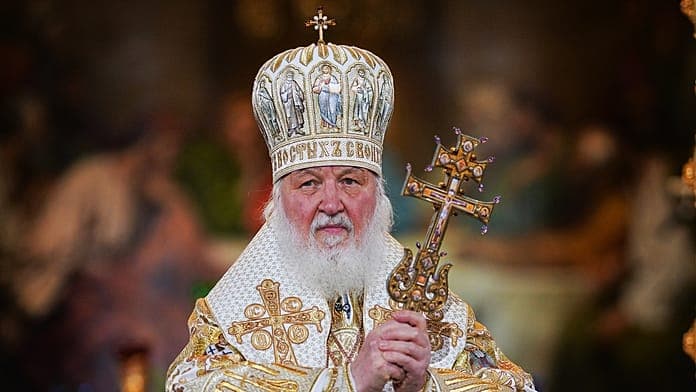
EU targets Patriarch Kirill for sanctions after Hungary’s earlier veto
Patriarch Kirill has been added to a new package of sanctions proposed by the European Union, following Hungary’s change of stance on the issue.
With Hungary’s shift in stance, the EU aims to achieve unanimous support for the sanctions package, critical for maintaining pressure against Russian aggression prior to the July deadline.
“The decision to include Patriarch Kirill in the sanctions list marks a significant step in addressing his influence amid ongoing concerns regarding propaganda related to the conflict in Ukraine.”
EU targets Russia’s Patriarch Kirill in new sanctions proposal
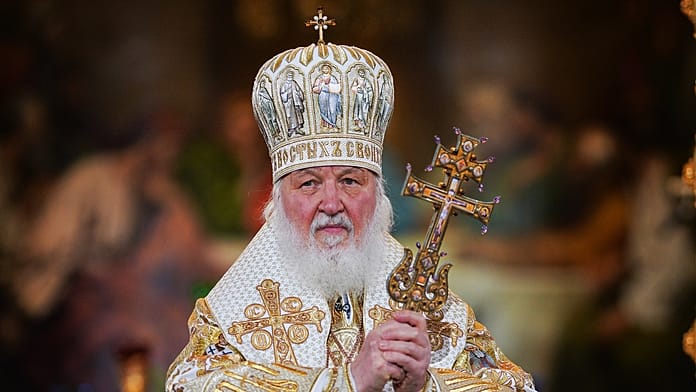
The European Union will try again to sanction Patriarch Kirill, the head of Russia’s Orthodox Church, after Hungary vetoed the decision in 2022.
His name has been added to a wider package of sanctions presented on Tuesday, three diplomats confirmed to EU News.
Brussels does not reveal the identity of the blacklisted individuals until member states reach a final decision. Individual sanctions entail an asset freeze and a travel ban.
Kirill, a highly controversial figure with both religious and political influence, has been accused of spreading revisionist propaganda to justify the war in Ukraine.
Under his leadership, the Russian Orthodox Church approved a document that called for the annihilation of Ukrainian independence and described the invasion as a “Holy War”.
The EU first tried to blacklist Kirill in 2022. But Hungary, under then-prime minister Viktor Orbán, blocked the move, calling it an issue of religious freedom.
The veto made headlines and caused outrage among other countries.
The matter lay dormant until last month, when the new Hungarian government of Péter Magyar voiced readiness to go ahead with the move, as EU News reported.
EU officials seized the U-turn and added the name to the latest proposal.
However, due to Kirill’s unique position as the head of the Russian Orthodox Church, it remains uncertain whether all 27 member states will support adding him to the blacklist. In negotiations requiring unanimous approval, it is not unusual for certain names to be removed to secure consensus.
Brussels aims to secure agreement on the 21st package of sanctions by 15 July to avoid an automatic revision of the price cap on Russian oil.
Sándor Zsiros contributed reporting.




Great article! This really puts things into perspective. I appreciate the thorough research and balanced viewpoint.
Interesting read, though I think there are some points that could have been explored further. Would love to see a follow-up on this topic.
Thanks for sharing this! I had no idea about some of these details. Definitely bookmarking this for future reference.
Well written and informative. The examples provided really help illustrate the main points effectively.
This is exactly what I was looking for! Clear, concise, and very helpful. Keep up the excellent work!